
A wave can catch you off guard, or water may enter your snorkel just as you take a breath. Swallowing sea water while snorkeling is an unpleasant experience, but a small accidental mouthful does not automatically mean you will become ill. What matters most is whether the water was contaminated and whether any entered your airway.
Also Read: Can Snorkeling Cause Vertigo?
What Happens When You Swallow Sea Water While Snorkeling?
Seawater contains far more salt than drinking water, so it should never be used to quench your thirst. After swallowing sea water while snorkeling, you may notice a strong salty taste or brief stomach discomfort. A larger amount can contribute to nausea or vomiting, but reactions vary.
The more important health concern is often the quality of the water. Oceans and other natural swimming areas can contain bacteria, viruses, or parasites. If contaminated water is swallowed, it may cause gastrointestinal illness, with symptoms such as diarrhoea, stomach cramps, nausea, or vomiting. The risk can increase after heavy rain, when runoff may carry sewage or animal waste into coastal water. Water that looks clear is not necessarily free from germs.
Swallowing is different from inhaling water. When you swallow, water travels down the oesophagus to the stomach. Aspiration happens when water enters the airway. A sudden wave or a snorkel that fills with water can trigger coughing, choking, or difficulty breathing. This is a more urgent situation than simply getting a little seawater in your mouth.
Also Read: How Safe is Snorkeling in Bali?
What Should You Do After Swallowing Sea Water?
If swallowing sea water while snorkeling happens, stop the activity and get out of the water safely. Signal your buddy or guide rather than trying to continue. Once you are somewhere stable, remove your mask and snorkel, take a moment to settle your breathing, and explain what happened to someone nearby. Use these practical steps:
- Rinse your mouth: Spit out any seawater still in your mouth and rinse with clean drinking water. This can clear the salty taste, although it cannot undo what has already been swallowed.
- Drink fresh water if you feel well enough: If you are fully alert and can swallow normally, take a few small sips of safe drinking water. Do not force yourself to drink if you feel nauseated or are having trouble swallowing.
- Pay attention to symptoms: Watch for stomach cramps, nausea, vomiting, diarrhoea, or fever over the following hours or days.
- Tell your guide or companion: Make sure someone knows what happened, especially if you coughed, choked, or struggled to breathe.
Seek urgent medical help if you develop trouble breathing, persistent or worsening coughing, chest pain, blue or grey lips, confusion, fainting, or unusual drowsiness after water may have entered your airway. Do not return to the water to see whether the problem has passed. Repeated vomiting, severe diarrhoea, signs of dehydration, or symptoms that concern you also warrant medical advice.
Take extra care with children, older adults, and people with existing health conditions.
Also Read: What to Wear to Stay Safe while Snorkeling?
How to Prevent Swallowing Sea Water While Snorkeling
A few straightforward habits can make snorkeling more comfortable and reduce the chance of swallowing sea water while snorkeling.
1. Choose a Mask and Snorkel That Fit Properly
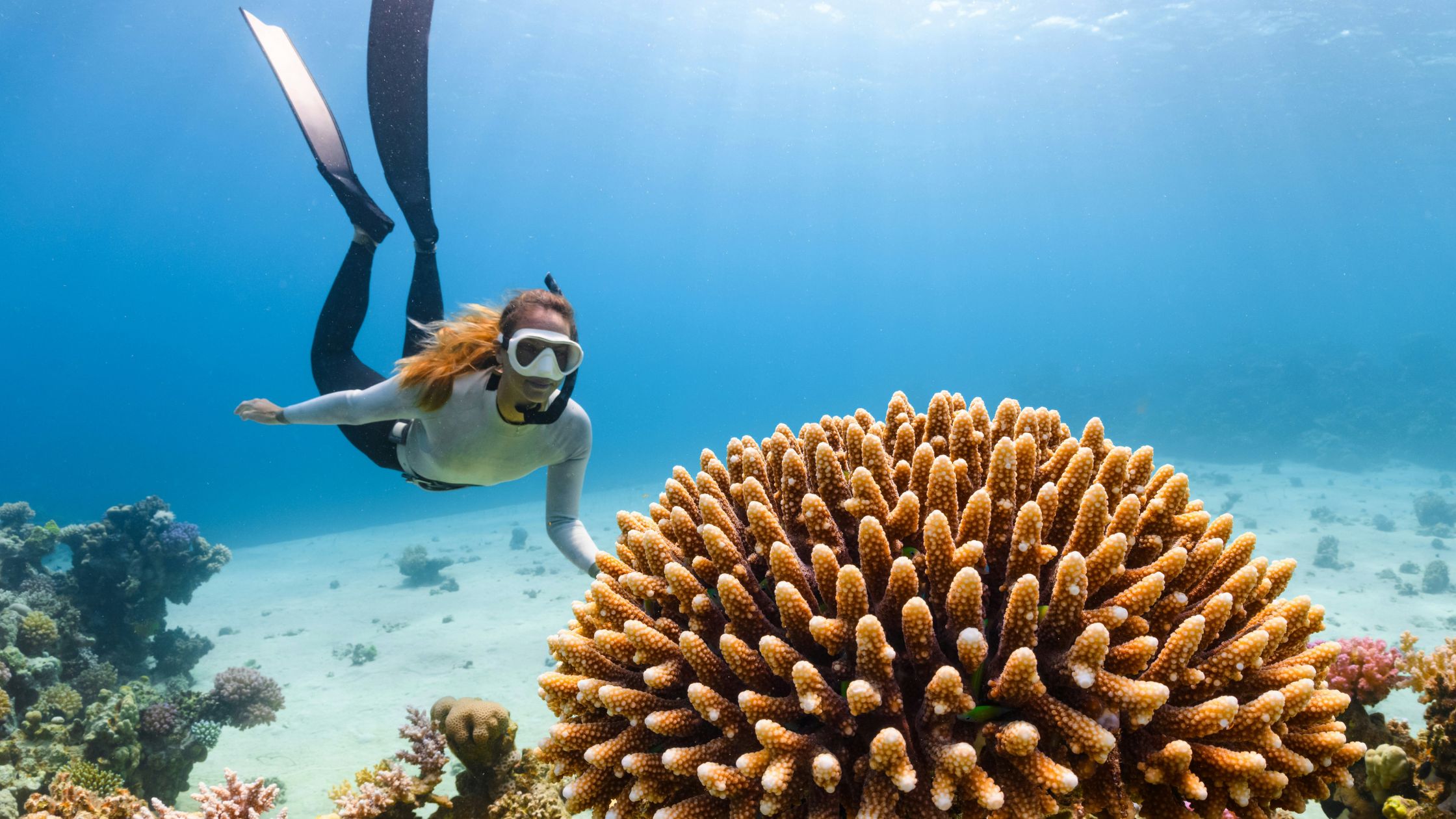
A mask should seal comfortably without being overtightened. Ask the operator to check the fit if water keeps leaking in. Check that the snorkel is attached correctly, the mouthpiece is comfortable, and the tube is clear. Poorly fitting equipment can distract you.
2. Practise Breathing Before Swimming Far
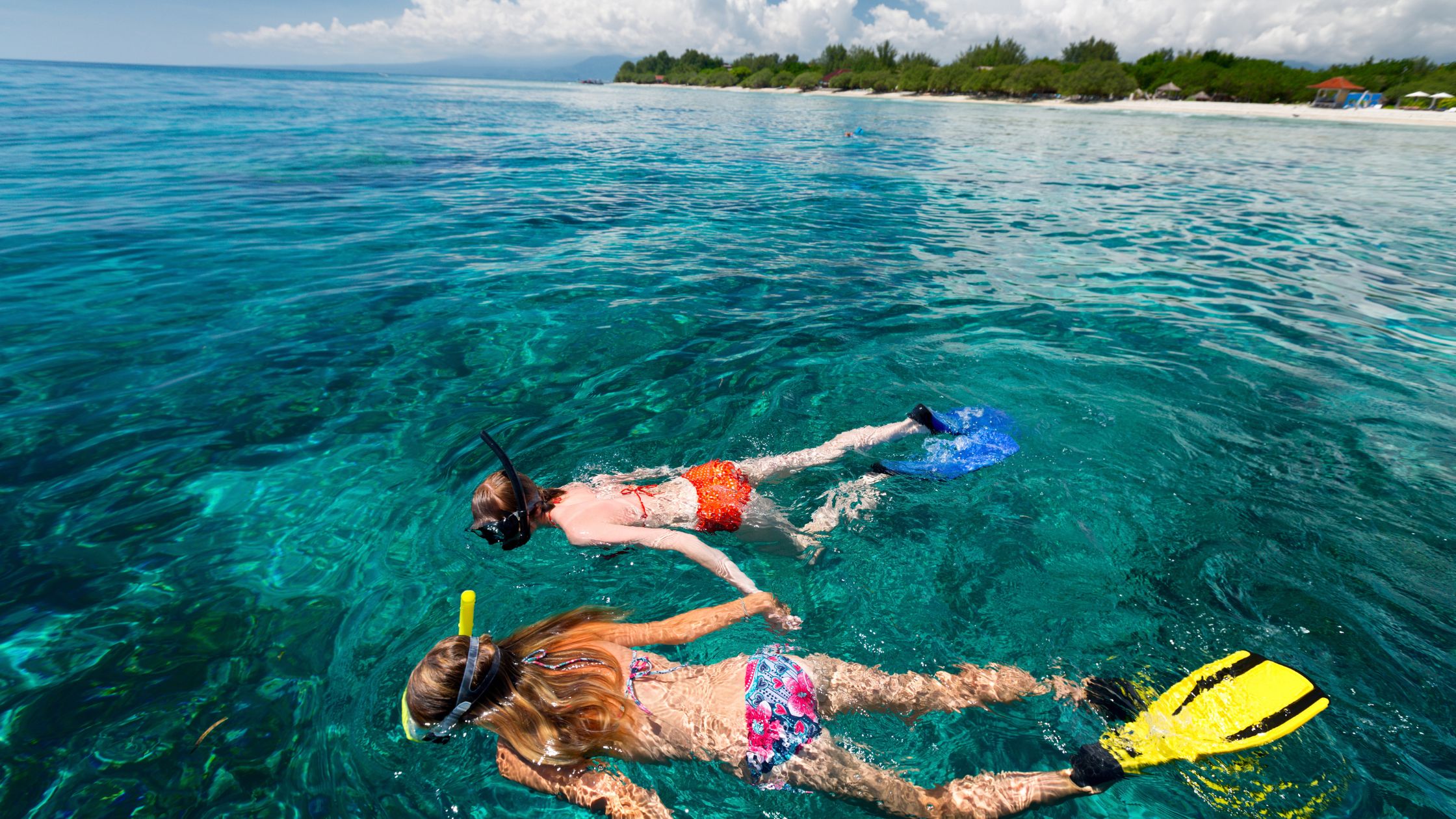
For beginners, practising before a longer swim can reduce the chance of swallowing sea water while snorkeling. Get used to breathing through a snorkel in calm, shallow water while supervised. Keep your breathing slow and steady. If water enters the tube, follow the guide’s instructions for clearing it; do not take a sharp breath while the snorkel is full of water.
Avoid hyperventilating or taking repeated deep, fast breaths before putting your face underwater, as this can increase the risk of a blackout during breath-hold swimming.
3. Check the Sea Conditions
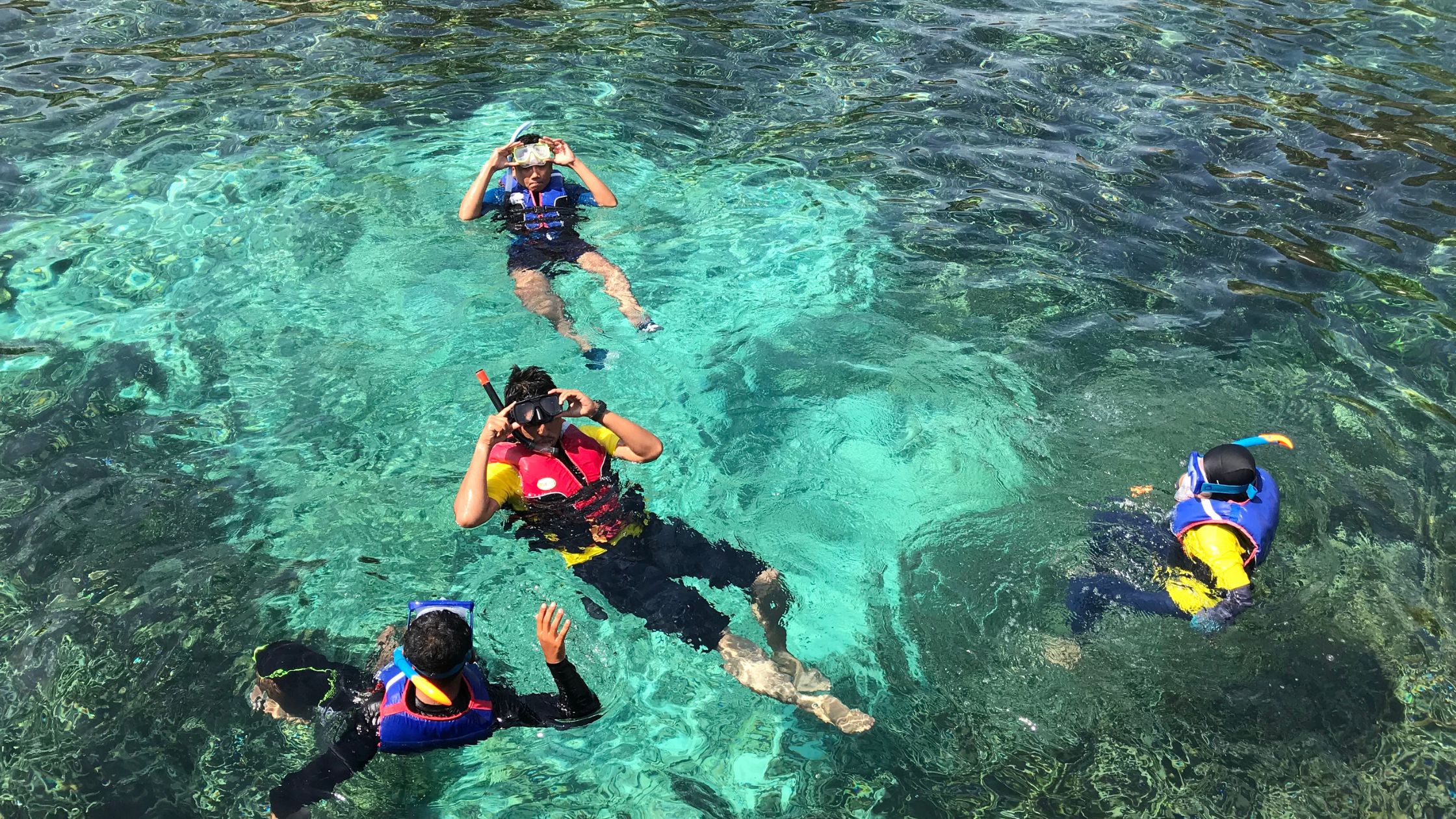
Waves can push water into your snorkel, while strong currents can make it difficult to stay in control. Ask your guide about conditions and follow local warnings. Avoid entering rough water, areas with poor visibility, or places where runoff or sewage contamination may be a concern. After heavy rain, check local advice before swimming rather than assuming the sea is safe because it looks clear.
4. Stay With Your Guide or Buddy
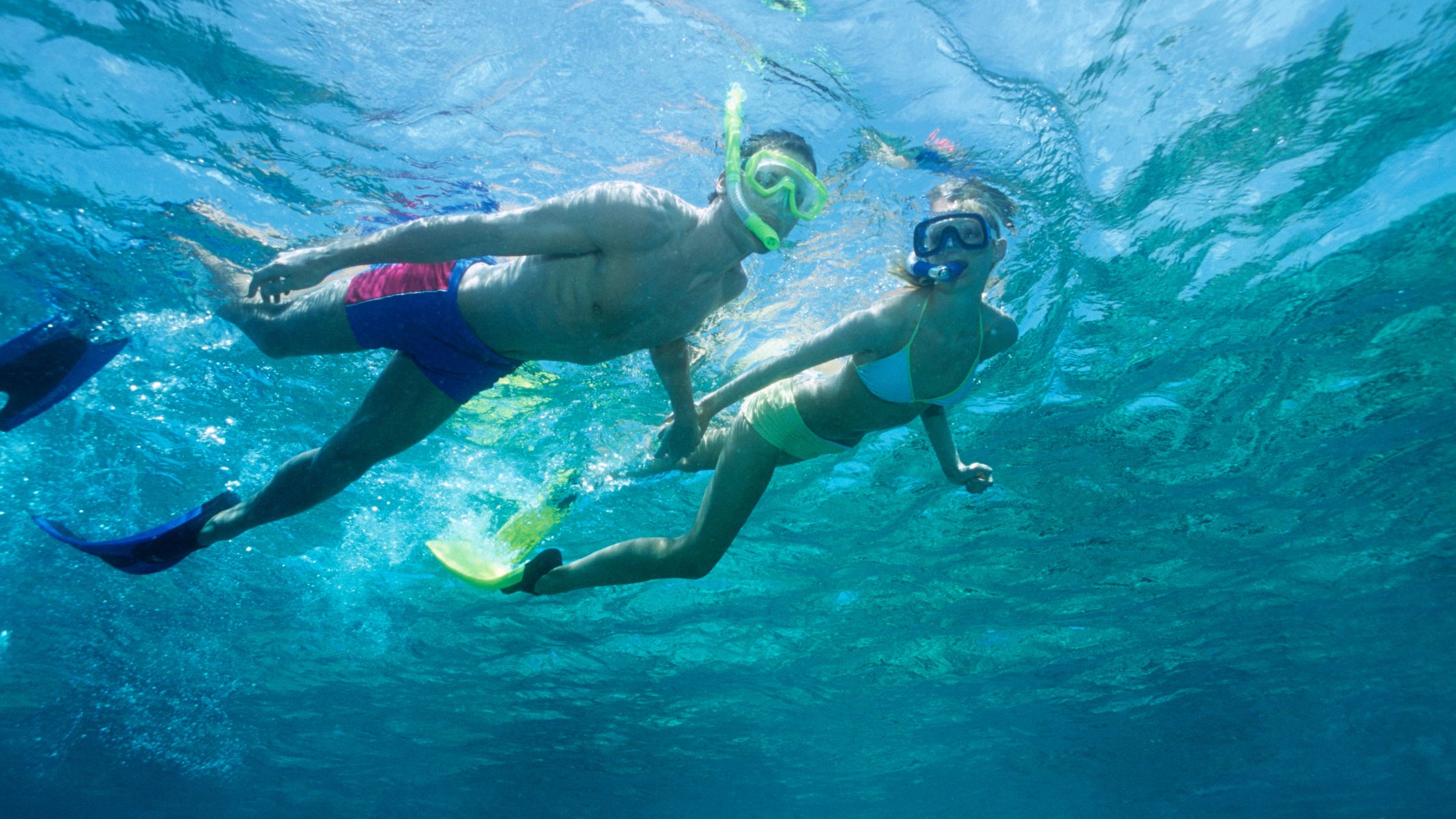
Never snorkel alone, especially if you are inexperienced. Stay within the area explained during the safety briefing and keep your buddy or guide in sight; this also helps if swallowing sea water while snorkeling catches you by surprise. Children should remain close to a responsible adult, and anyone who is not a confident swimmer should use suitable flotation support when advised. If you feel tired, cold, anxious, or uncomfortable, signal for help and return to the boat or shore.
Also Read: Discover These Beauty while Snorkeling in Bali
Enjoy a Snorkeling and ATV Adventure with Ubud Quad Biking
A Bali holiday can include time in the ocean as well as adventure on land. Ubud Quad Biking offers snorkeling experiences combined with ATV riding, giving visitors a chance to enjoy the underwater scenery and then explore Bali from a different perspective. It is an easy way to add two outdoor activities to your itinerary.
Professional instructors with years of experience guide the activities, and the equipment is selected to provide a quality experience. Participants receive guidance on equipment use and activity instructions. Families and travellers of different ages can ask about suitable options; participation depends on the specific activity’s age limits, health considerations, and safety requirements.
Children and older adults should only take part when the operator confirms that the activity is appropriate for them. Every outdoor activity carries some risk, so follow the safety briefing.
Booking is straightforward for international visitors, and payment does not have to be made in Indonesian rupiah. If your plans change, Ubud Quad Biking offers a full refund for cancellations made more than 24 hours before the scheduled activity, in line with its cancellation policy. Get in touch with the team to ask about the snorkeling and ATV combination and find an option that fits your Bali trip.