

Bali’s coastline looks inviting in photographs, but the sea can behave differently from one stretch of sand to the next. If you are wondering, are Bali beaches swimmable, the answer depends on the beach and the conditions on the day.
Are Bali Beaches Swimmable?
Bali has sheltered bays, reef-fringed coastlines, and open beaches exposed to ocean swells. Offshore reefs can break some wave energy, while a bay may offer more shelter than an open coast. These features can make swimming more comfortable, but they do not remove every risk: currents can still develop around reef gaps, channels, headlands, and sandbars.
Kuta and Seminyak, on the west coast, are well known for surfing and can have stronger breaking waves and rip currents. A rip current is a narrow flow moving away from shore that can carry swimmers beyond the breaking waves.
Tides and weather matter too. Low tide can expose reef flats and make some areas difficult to cross; high tide does not automatically mean safer swimming. Wind, swell, and rainfall can change conditions. So, are Bali beaches swimmable every day? No. Check local advice before entering.
Also Read: Best Things to Do in Ubud
Which Bali Beaches Are Suitable for Swimming?
Some parts of Bali are more commonly chosen for a relaxed swim. The beaches below may offer more comfortable conditions, but tide, weather, and the exact stretch of shoreline still matter. When deciding are Bali beaches swimmable at a particular stop, look at the water itself and ask someone familiar with that section rather than relying on the beach’s general reputation.
1. Sanur Beach: A Reef-Protected Shore
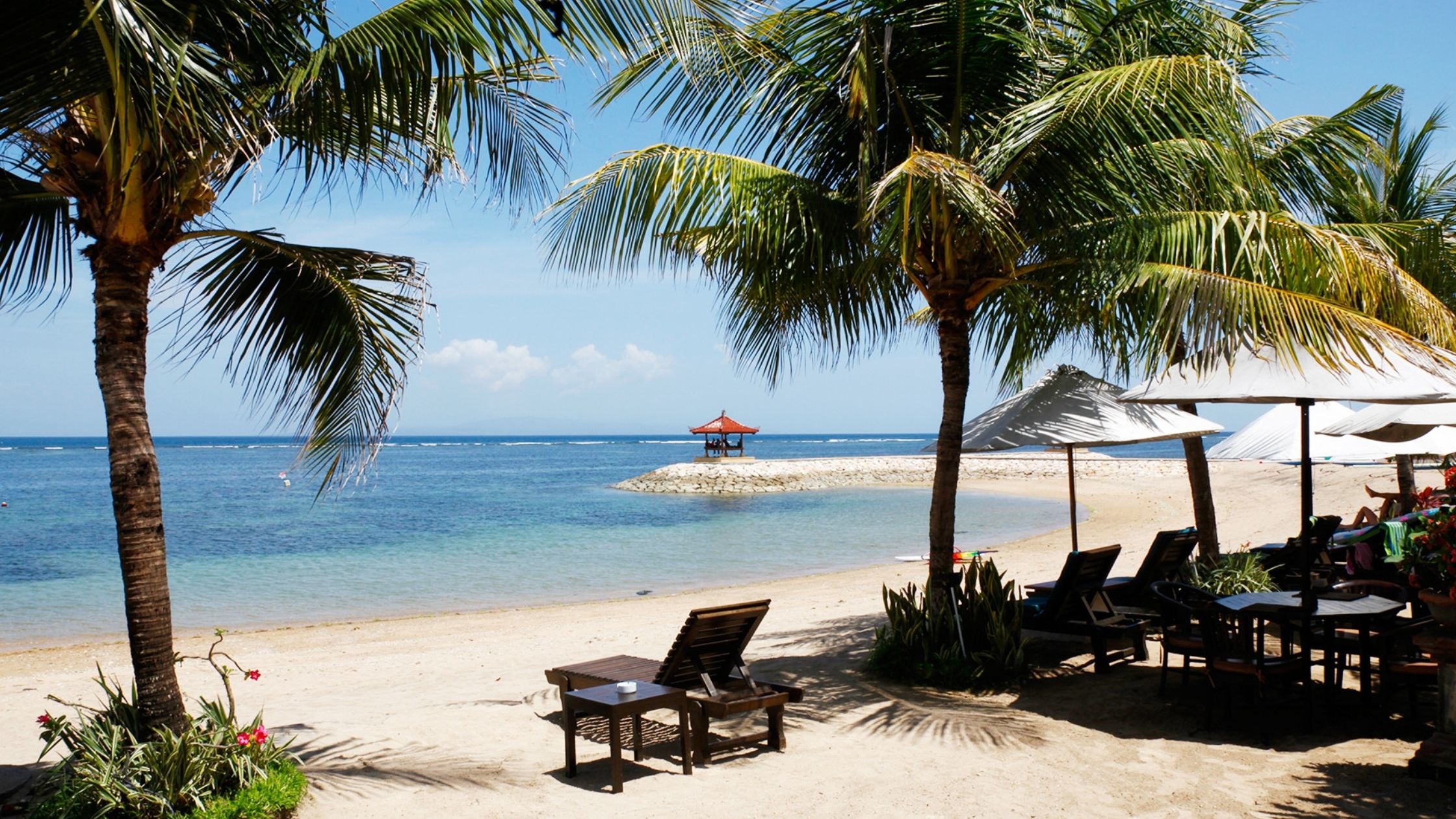
On Bali’s southeast coast, Sanur’s long offshore reef shelters much of the shoreline from incoming waves. It creates broad, shallow lagoon areas, making the water near shore more manageable for casual swimming in suitable conditions. This is one reason Sanur is popular with visitors who prefer a quieter beach experience rather than strong surf.
At low tide, water can retreat across the reef flat, exposing seagrass and uneven surfaces and leaving too little depth for swimming. Check the tide, use established access points, and avoid standing on coral. Sanur’s sheltered setting is not a guarantee of safe conditions at every hour.
2. Nusa Dua Beach: Resort Coast with Sheltered Sections
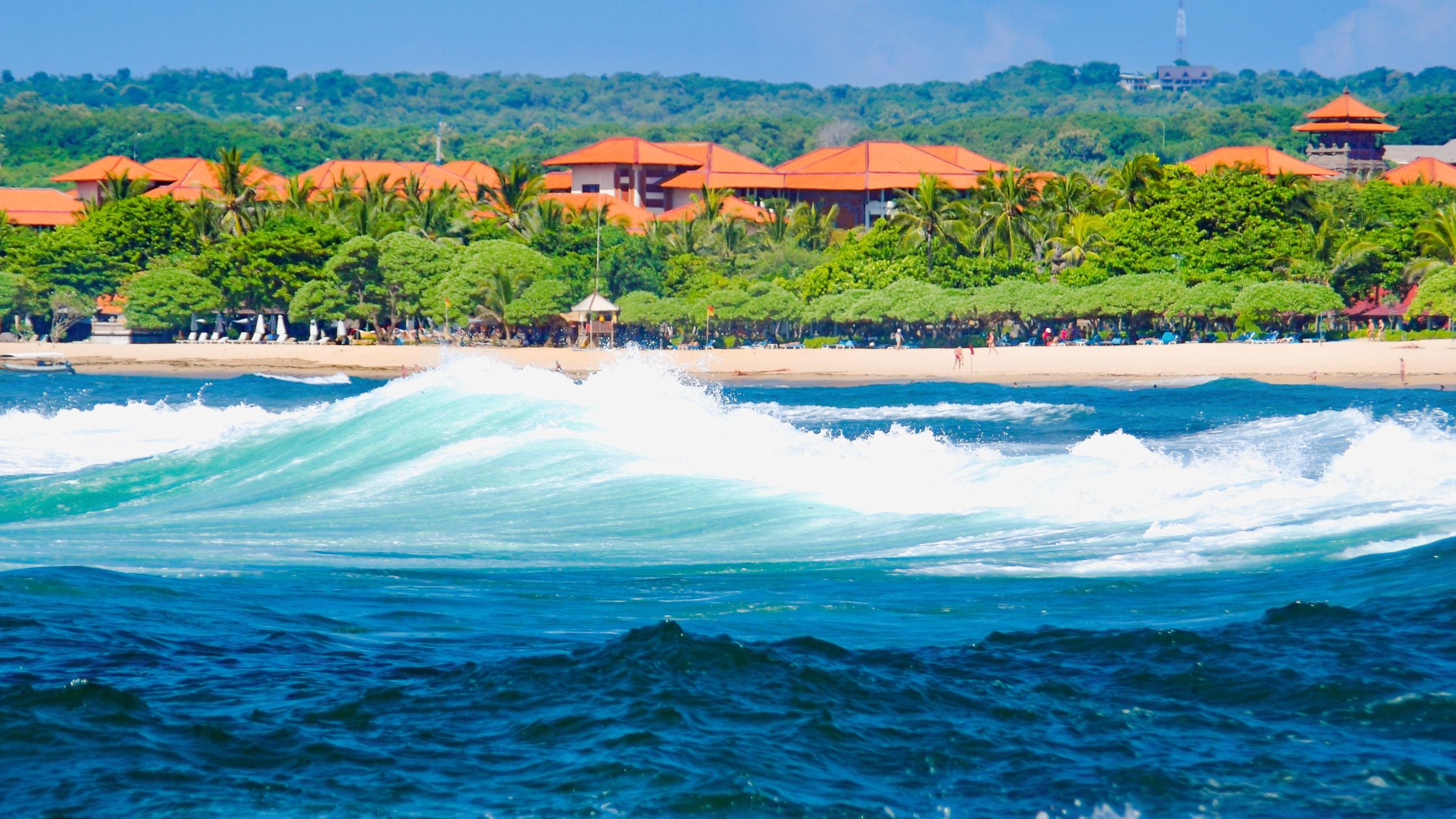
Nusa Dua has several sandy stretches along a developed resort coastline. Offshore reef formations shelter parts of the coast, and the water can be relatively gentle when the sea is settled. Wide beaches and nearby facilities make it convenient for a relaxed beach day.
Conditions vary along the coast, especially near reef openings and exposed sections. Keep clear of boats and marked water-sport zones. Choose a designated swimming area, follow flags or staff instructions, and do not assume a quiet patch is supervised just because it is beside a resort. If you are staying at a beachfront hotel, ask which stretch is currently open for swimming; the nearest access point may not be the best place to enter.
3. Jimbaran Beach: A Broad Bay for Casual Beach Days

Jimbaran curves around a broad bay on Bali’s southwest coast. Its shape can offer some shelter from open-ocean swell, and parts of the shoreline may have gentler water when conditions are calm. The long sandy beach is also known for seafood restaurants and sunset views.
Wind and swell can still affect the bay, and boats operate along parts of the shoreline. Avoid boat routes and do not assume the entire bay has the same depth or current. Ask local staff about conditions and stay close to shore if you are not a confident swimmer. Jimbaran is worth considering for a relaxed beach visit, particularly when the sea is settled.
4. Kuta and Seminyak: Better Known for Surf

Kuta and Seminyak are part of Bali’s popular west-coast beach strip for tourists. Their surf attracts surfers and surf schools, but the same breaking waves can make swimming challenging for inexperienced visitors.
Rip currents can be difficult to identify from shore; a gap between breaking waves is not necessarily a safe route into the sea. Swim only in designated areas when lifeguards permit it, and stay out when warnings prohibit entry. Without a supervised swimming area, enjoy the beach from shore. Here, are Bali beaches swimmable has a more cautious answer than at a sheltered lagoon.
Also Read: Best Spots for Snorkeling in Bali
How to Stay Safe When Swimming at Bali Beaches
A beach’s reputation is no substitute for checking conditions. Before entering the water, remember that are Bali beaches swimmable depends on what is happening at that specific beach:
- Look for swimming flags and lifeguards. Swim in designated areas and obey warning signs. Do not enter when swimming is prohibited or a red flag indicates danger.
- Ask about local conditions. Lifeguards and beach staff may know about currents, shifting sandbars, or rough sections that are not obvious from shore.
- Do not fight a rip current. If caught in one, stay calm, float if possible, signal for help, and avoid swimming directly against the flow. Follow lifeguard guidance.
- Keep children within arm’s reach. Shallow water is not risk-free, and children need an attentive adult beside them rather than being watched from a distance.
- Choose water that matches your ability. Inexperienced swimmers should stay in shallow, supervised areas and avoid entering surf or deep water alone.
- Check marine forecasts and tides. Look at wave and wind warnings as well as the weather forecast. Conditions can change even when the sky is clear. This daily check matters more than a general answer to are Bali beaches swimmable.
- Keep away from boats and water-sport zones. Use the swimming area set aside for beachgoers and follow any local restrictions.
Also Read: Check The Rainiest Month in Bali!
Enjoy Bali’s Ocean and Adventure with Ubud Quad Biking
A beach holiday can include more than swimming. Ubud Quad Biking offers a package that combines ATV riding with snorkeling at Blue Lagoon near Padangbai, giving visitors a chance to experience Bali’s inland tracks and marine scenery in one outing.
Professional instructors with years of experience guide the ATV activity, and the equipment is top-tier. Participants receive instructions before the ride, while age limits, physical condition, and activity requirements should be checked to determine whether the experience is suitable for each person.
Booking is convenient for international visitors, with payment options that do not require using Indonesian rupiah exclusively. Cancellations made more than 24 hours before the scheduled activity are eligible for a full refund.