
Snorkeling is a wonderful way to explore Bali’s clear waters, colorful coral reefs, and tropical marine life. However, a Bali snorkeling accident can happen when changing sea conditions, exhaustion, or poor preparation turns a relaxing swim into a dangerous situation. Understanding the risks before entering the water can help you make better decisions and enjoy your trip with greater confidence.
Whether you are planning your first snorkeling experience or already exploring Bali, knowing what can go wrong, how to reduce the risks, and when to seek help is essential.
Also Read: Can Kids Join Snorkeling in Bali?
What Are the Common Causes of a Bali Snorkeling Accident?
Snorkeling may look simple, but the open sea presents challenges that are very different from swimming in a pool. Several hazards are worth understanding before you join a snorkeling trip.
1. Strong Currents and Waves
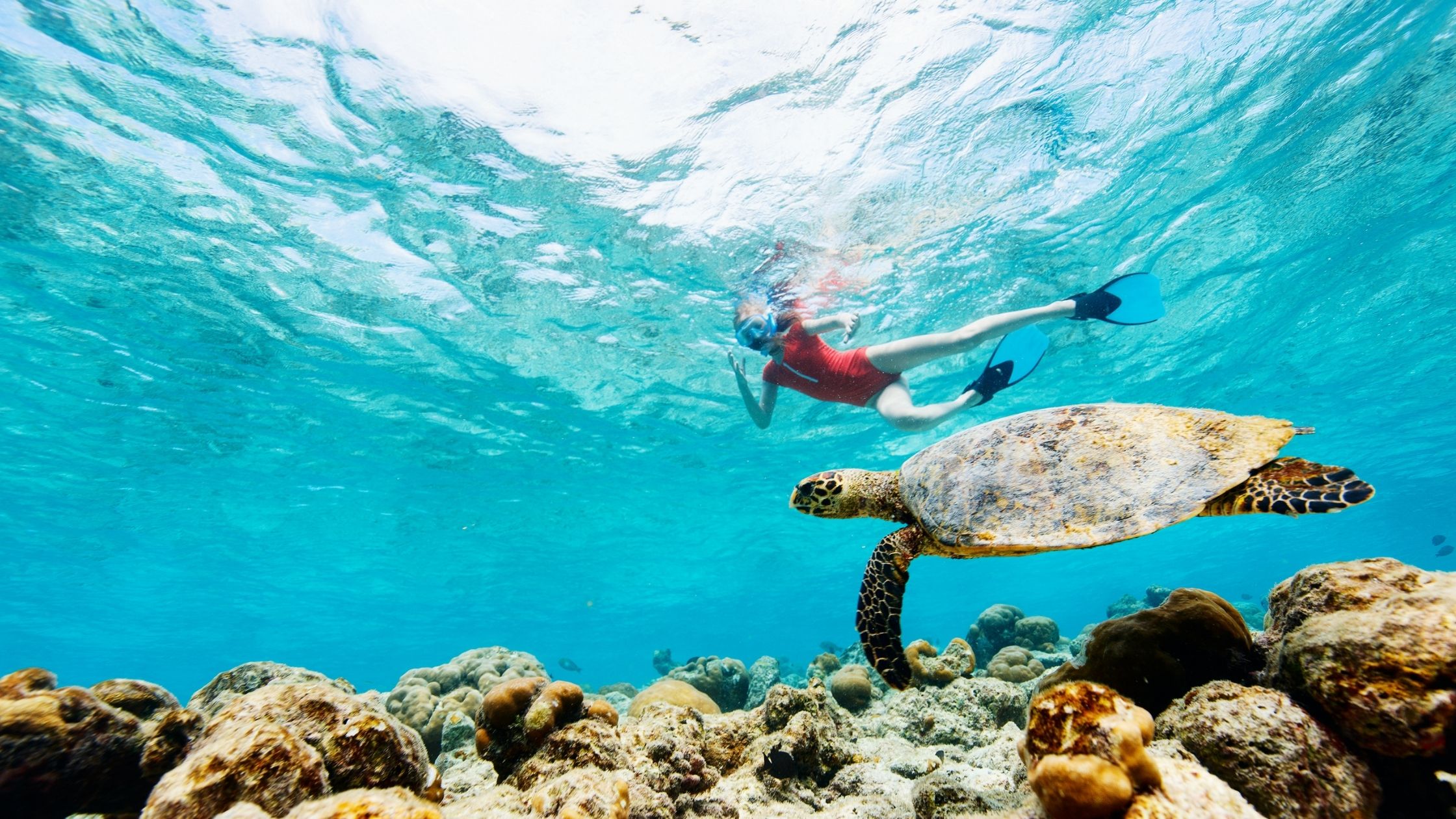
Ocean currents can carry snorkelers away from their group, boat, or intended swimming area. Rip currents, which flow away from the shore through relatively narrow channels, are particularly dangerous because they can quickly separate swimmers from safety.
Waves can also make it harder to breathe through a snorkel, keep your mask in place, and maintain control of your movements. Conditions may change even when the water initially looks calm.
To reduce the risk, check local sea conditions and follow the operator’s advice about where and when to enter the water. Never assume that clear water means safe water. If the sea is rough or local authorities advise against swimming, postpone the activity.
2. Drowning and Water Inhalation

Drowning is one of the most serious hazards associated with snorkeling. It can happen when someone becomes exhausted, panics, struggles to keep their airway clear, or accidentally inhales water. Waves and difficulties using snorkeling equipment can make the situation worse.
Being able to swim in a pool does not automatically prepare you for open water. Currents, waves, and unexpected changes in depth can make swimming much more demanding than expected.
Use a suitable flotation aid if needed, learn how to use your snorkel before entering the sea, and stay within the supervised area. Beginners should tell their guide about their swimming ability. Never snorkel alone or assume that swimming skills eliminate the need for supervision.
3. Fatigue, Muscle Cramps, and Panic
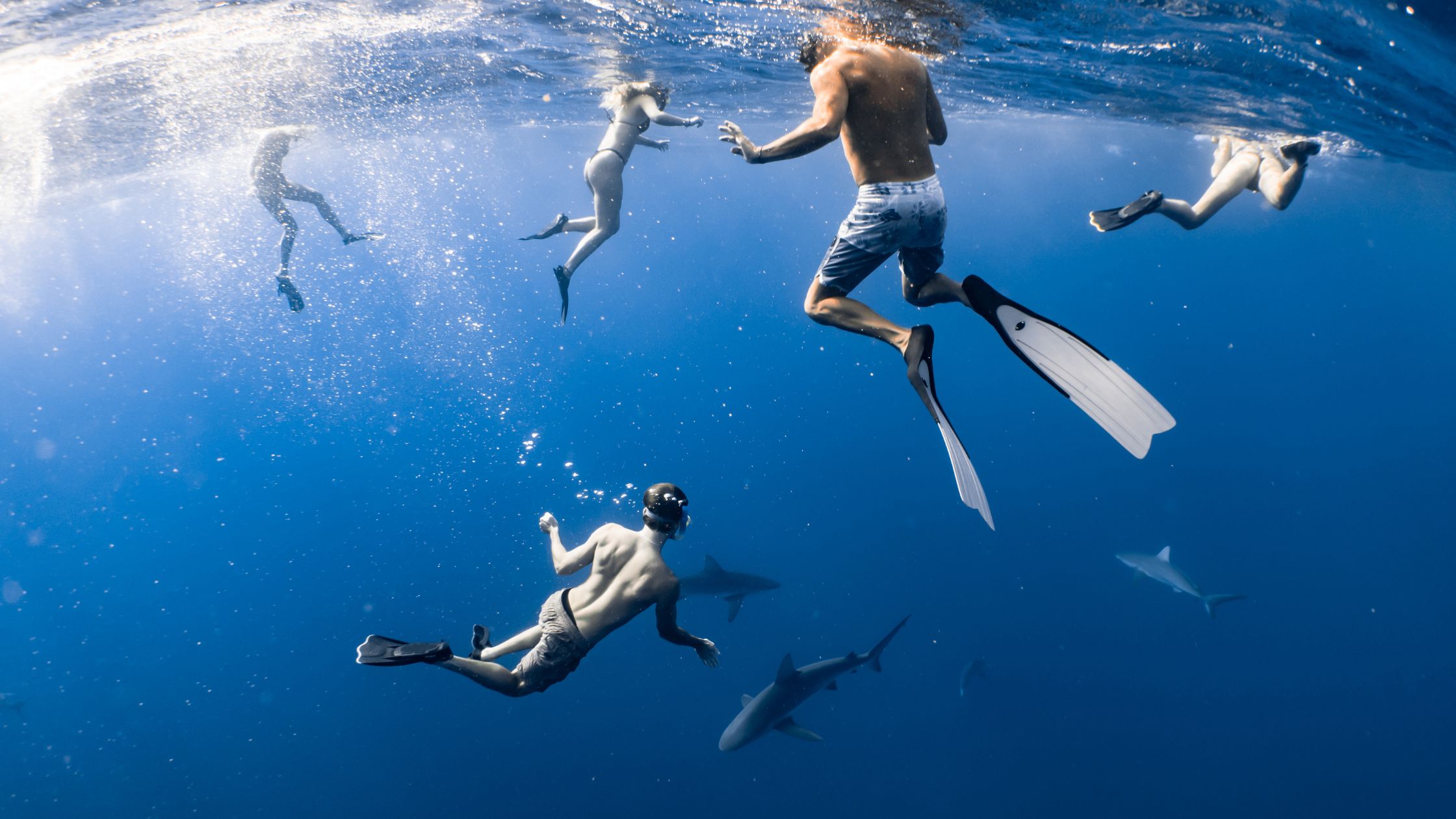
Swimming continuously, kicking against currents, and keeping up with a group can quickly drain your energy. Muscle cramps may also make movement uncomfortable, while fatigue can affect your ability to stay afloat and breathe calmly.
Some travelers continue swimming because they do not want to fall behind or interrupt the group. Unfortunately, pushing through exhaustion can make a difficult situation more dangerous.
Choose an activity that suits your fitness and experience. Take breaks before becoming exhausted, stay close to your guide, and leave the water if you feel dizzy, unusually tired, or short of breath. Avoid snorkeling in Bali when you are unwell or too fatigued to participate comfortably.
Also Read: How to Avoid Vertigo while Snorkeling?
4. Equipment Problems and Boat-Related Injuries
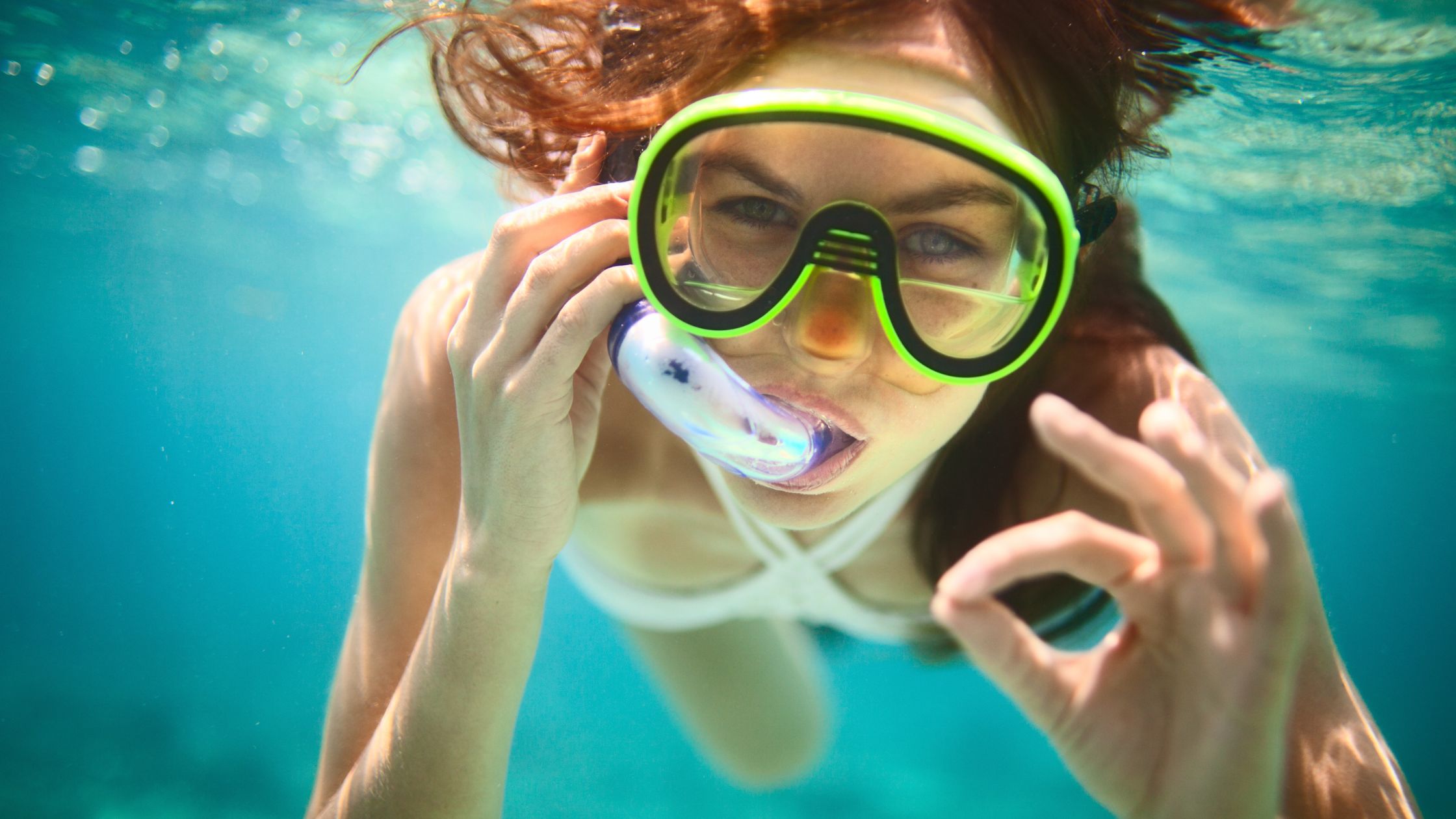
Snorkeling equipment must fit properly and work as intended. A leaking mask can interfere with visibility, an uncomfortable mouthpiece can make breathing difficult, and poorly fitted fins can affect movement.
There are also hazards around busy snorkeling sites. Swimmers may be struck by passing boats, pushed against rocks by waves, or injured through accidental contact with coral.
Before entering the water, check your mask, snorkel, and fins. Ask your guide to adjust anything that feels uncomfortable for you. Stay within designated snorkeling areas, keep clear of boat routes, and avoid touching coral or marine animals.
How Can You Prevent a Bali Snorkeling Accident?
Good preparation makes a difference, especially when you are unfamiliar with Bali’s coastal conditions. Use this checklist before and during your snorkeling trip.
| When | What to Check | How to Stay Safe |
| Before the trip | Weather, waves, and currents | Check local conditions and follow official warnings. Postpone snorkeling when conditions are unsuitable. |
| Before entering the water | Equipment and swimming ability | Test your mask and snorkel, use a suitable flotation aid if needed, and tell your guide if you are not a confident swimmer. |
| During snorkeling | Group distance and energy levels | Stay within the supervised area, take breaks, and stop if you feel tired, dizzy, or short of breath. |
| Around boats and reefs | Traffic and underwater obstacles | Keep away from boat routes, avoid rocks, and never stand on or touch coral. |
| If conditions change | Waves, currents, and visibility | Follow your guide’s instructions and leave the water when advised. Do not continue simply to finish the activity. |
| In an emergency | Access to help | Alert your guide or local rescuers. Do not attempt an in-water rescue without suitable training and equipment. |
Also Read: What to Wear to Keep You Safe while Snorkeling?
What Should You Do If Something Goes Wrong?
If a current carries you away, try to stay calm, float if possible, and signal for help. Avoid exhausting yourself by swimming directly against a strong current. If you are caught in a rip current, floating or treading water while calling for assistance may help you conserve energy. Follow local rescue guidance rather than attempting a maneuver beyond your abilities.
If another snorkeler is struggling, alert the guide or lifeguard immediately. Throwing a flotation aid from a safe position may help if one is available. Do not enter the water to rescue someone unless you have the appropriate training and equipment, as a panicked swimmer can put you in danger too.
If someone is rescued from the water and is unresponsive or not breathing normally, seek emergency medical assistance immediately. Begin CPR and use an automated external defibrillator (AED), if available, according to your training or the emergency dispatcher’s instructions. Anyone who experiences breathing difficulties after inhaling water should receive urgent medical assessment, even if they initially appear to recover.
A Bali snorkeling accident can often be made less likely through preparation, but no precautions eliminate every risk. Recognizing your limits, listening to local safety advice, and stopping when conditions become unsuitable are essential parts of responsible snorkeling.
Also Read: Where Can You Do Snorkeling in Bali?
Enjoy Bali Snorkeling and ATV Riding with Confidence
Want to combine time in the sea with an off-road adventure? A snorkeling and ATV riding package from ubudquadbiking.com offers two different ways to experience Bali’s natural scenery in one trip. Complete facilities, professional instructors with years of experience, quality equipment, and strict safety protocols and guidelines help you prepare for each activity. Always follow the instructions provided and choose activities that match your abilities.
Booking is easy, with secure, encrypted payments by card or PayPal, you can also cancel up to 24 hours in advance for a full refund, giving you more flexibility when planning your holiday. Before setting off on your Bali adventure, make safety part of your travel plans. Choose your preferred snorkeling and ATV riding experience, check the booking details, and reserve your activity for a memorable day in Bali.