
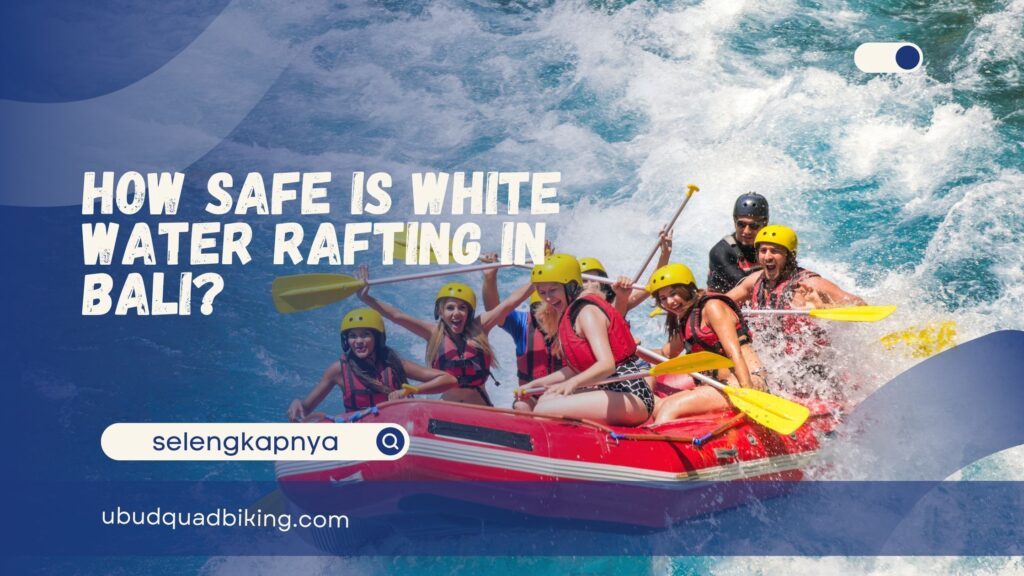
If you are planning an adventure on the island, you may be wondering, how safe is white water rafting in Bali? Rafting is a popular way to explore Bali’s rivers and tropical scenery, but it comes with risks that are worth understanding before you book. The good news is that choosing a suitable route, checking river conditions, and following your guide’s instructions can help you make an informed decision and enjoy your trip with greater confidence.
Also Read: What to Wear for Rafting Activity?
What Are the Main Risks of White Water Rafting in Bali?
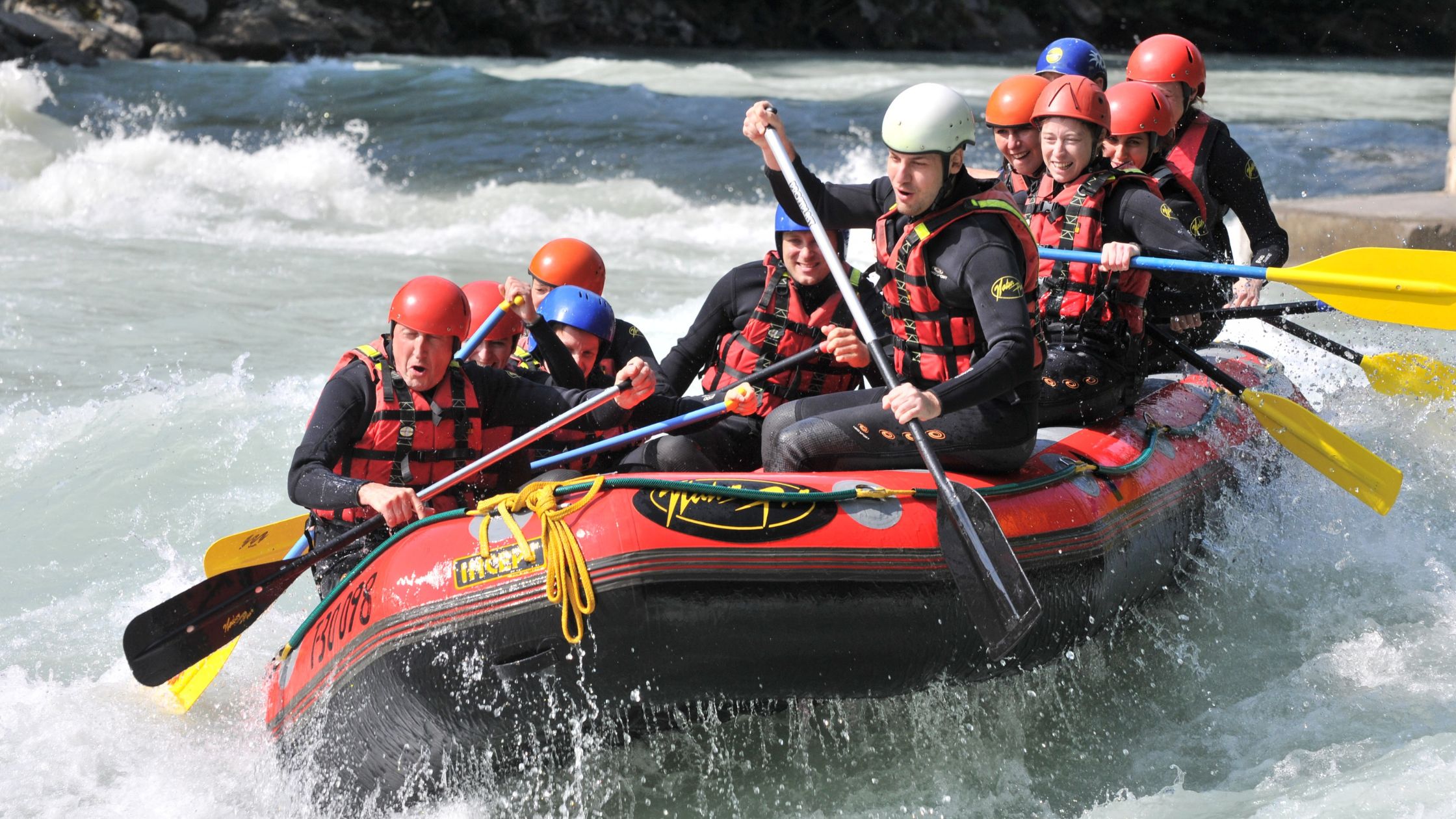
How safe is white water rafting in Bali? White water rafting involves more than paddling through beautiful scenery. River conditions can change, and even beginners’ routes require attention and teamwork. Understanding the main risks helps you prepare for the experience.
1. Strong Currents and Unexpected Rapids
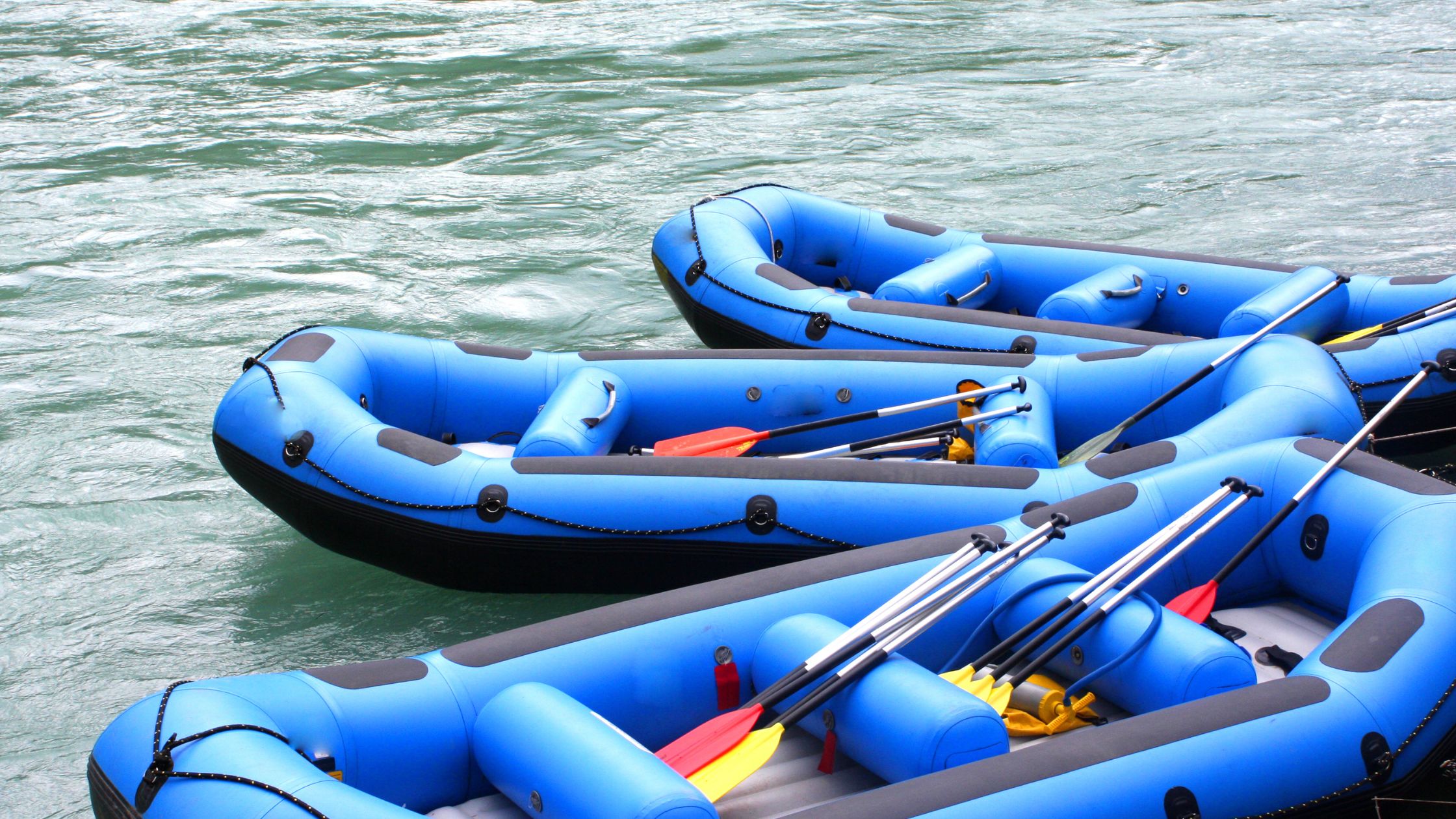
Moving water can push a raft against rocks, turn it sideways, or cause it to capsize. Narrow passages and sudden changes in current can make navigating certain sections more difficult. Even with an experienced guide, participants may fall into the water.
Listen carefully to the safety briefing, learn the paddling commands, and follow instructions throughout the trip. Do not assume that the raft will remain stable at every point.
2. Heavy Rain and Rising Water Levels
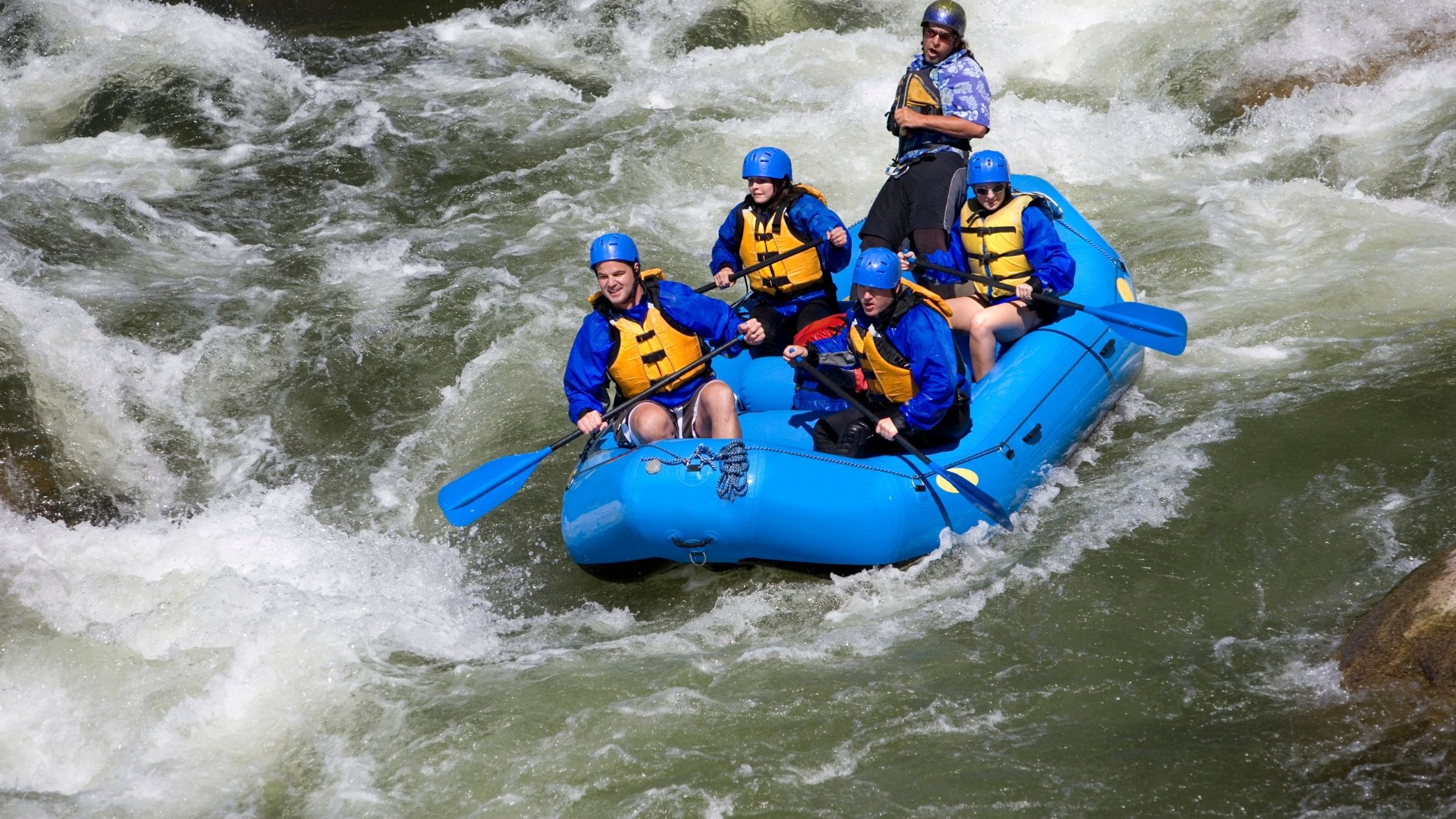
Rain can increase river flow, strengthen currents, and make rapids more challenging. Conditions may also change after rainfall upstream, even when the weather near your starting point looks clear.
Ask the operator about recent rainfall and current river conditions. A responsible operator should assess the route and postpone or cancel a trip when conditions are unsafe.
Also Read: Is It Safe to Go Rafting while Raining?
3. Falling Out of the Raft and Minor Injuries
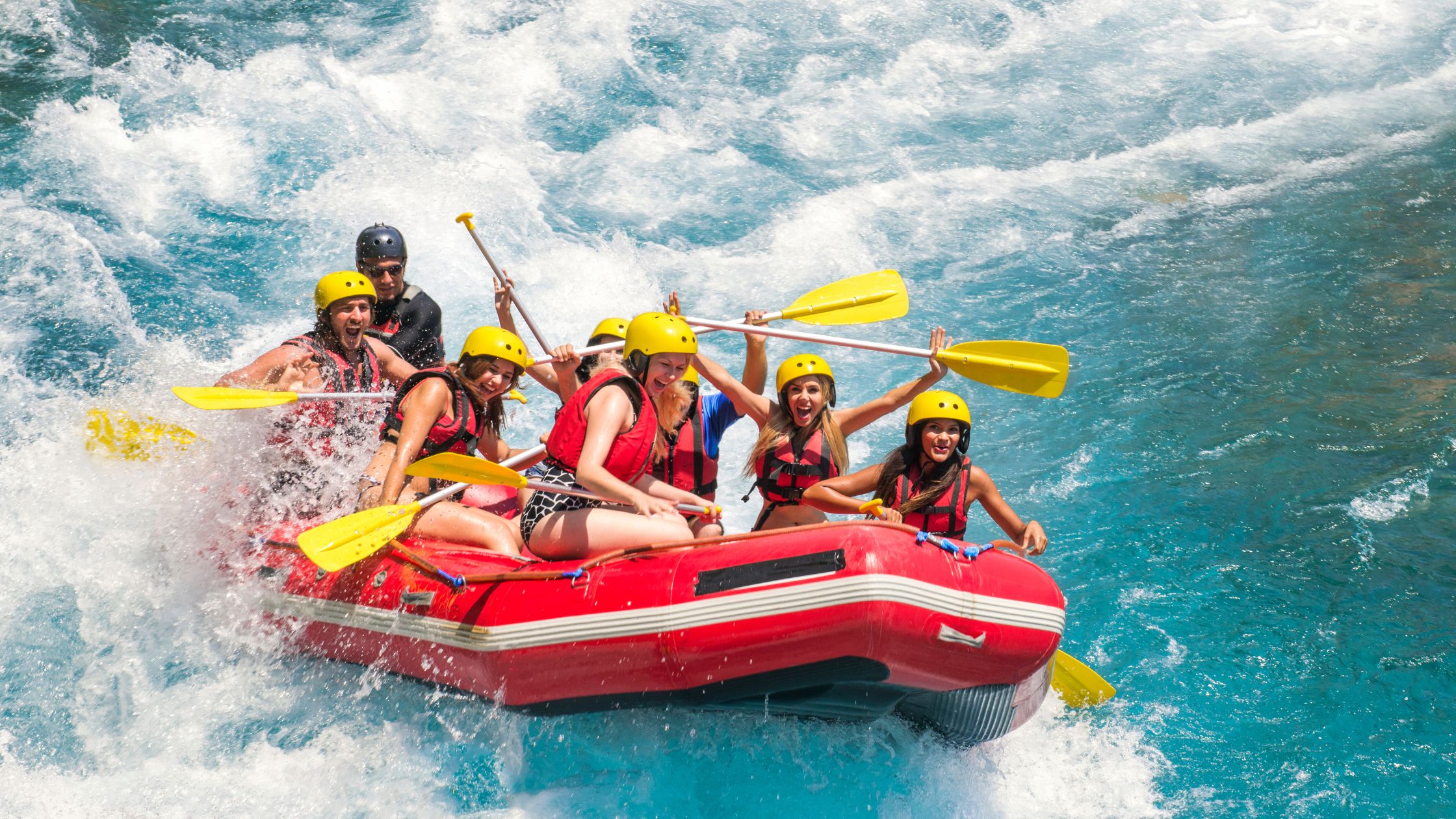
Bruises, cuts, sprains, and impacts with rocks are possible during rafting. A properly fitted helmet and life jacket can reduce certain risks, but they cannot prevent every injury.
So if you are wondering how safe is white water rafting in Bali, choose your best outfit to keep you safe. Wear the equipment provided, keep your hands and feet where your guide instructs, and avoid standing in moving water unless directed by trained personnel.
Also Read: You Fall Out The Raft? Do This!
4. Slippery River Access Paths
Reaching the river may involve steep stairs, uneven ground, and wet surfaces, these can be challenging for visitors with limited mobility or balance problems. Take your time, use handrails where available, and ask for assistance if needed.
How Safe is White Water Rafting in Bali? Is the River Water in Bali Safe?
River water is not necessarily clean just because it looks clear. Natural waterways can contain harmful microorganisms or pollutants from human and animal waste, agricultural runoff, and other sources. Heavy rainfall may also carry contaminants into rivers. But this does not mean every rafting river in Bali is contaminated.
Swallowing contaminated water can cause illness, while exposure through an open wound can lead to infection. To reduce the risks associated with water exposure:
- Avoid swallowing river water. Water containing harmful germs may cause gastrointestinal illnesses, including diarrhoea and vomiting.
- Protect open wounds. The safest approach is to avoid contact with untreated natural water if you have an open wound, especially one that is healing after surgery. If exposure cannot be avoided, cover the wound completely with a waterproof dressing.
- Pay attention to unusual water conditions. Water that looks unusually cloudy or discoloured, smells unpleasant, or has visible signs of pollution deserves caution. Ask the operator about any known warnings.
- Wash your hands after rafting. Use clean water and soap before eating, especially after handling wet equipment.
- Seek medical advice if you become unwell. Persistent diarrhoea, vomiting, fever, or signs of a wound infection after exposure should not be ignored.
These precautions are particularly important for people with weakened immune systems. Travellers with relevant medical conditions should consult a healthcare professional before participating.
Also Read: How Long is Rafting in Bali?
Which Bali River Should You Choose for Rafting?
Ayung River near Ubud and Telaga Waja River in Karangasem are two well-known rafting destinations. They offer different experiences, so consider your comfort level, physical ability, and the conditions on your chosen day.
| Comparison | Ayung River | Telaga Waja River |
| General experience | Scenic rafting through tropical surroundings | A more adventurous ride |
| Typical appeal | Often considered by beginners and mixed-experience groups | Often chosen by visitors seeking a more energetic experience |
| River conditions | Rapids of varying difficulty | Rapids that can feel demanding in certain sections |
| Main consideration | Access stairs and the current difficulty level | Current strength, route difficulty, and physical demands |
These are general comparisons, not guarantees of safety. Rapids ranging from Grade I to III. Actual conditions can vary with rainfall and water levels, so confirm the current difficulty with your operator rather than relying on general descriptions.
When considering how safe white water rafting in Bali will be for your group, keep these points in mind:
- Choose a suitable route. Beginners should tell the operator about their experience level and ask whether the planned route is appropriate.
- Check safety procedures. Look for a thorough briefing, properly fitted helmets and life jackets, trained guides, and clear emergency arrangements.
- Consider physical ability. Children must meet the operator’s minimum age and participation requirements. Older adults should consider their mobility, balance, and general fitness rather than age alone. Pregnant travellers should avoid rafting because of the risks associated with sudden movements and impacts.
- Check the weather before departure. Ask whether recent rainfall has affected the route and whether the trip will be postponed if conditions deteriorate.
Previous rafting experience is not always necessary. However, participants should be able to follow instructions, use the required equipment, and understand that natural river conditions are not completely predictable.
Also Read: Other River to Do Rafting in Bali
Enjoy Bali Rafting and ATV Adventures
If you want to combine river scenery with an off-road adventure, explore rafting and ATV ride packages in Bali. You can choose between two package options featuring rafting on the Ayung River or Telaga Waja River, paired with either a single or tandem ATV ride.
- Ayung River Rafting + ATV Ride: Enjoy a guided rafting experience along the river before continuing your adventure on an ATV.
- Telaga Waja River Rafting + ATV Ride: Combine rafting on the Telaga Waja River with an exciting off-road ATV experience.
Both packages offer single and tandem ATV options, complete facilities, quality equipment, and professional instructors with years of experience. Strict safety protocols and clear guidelines help you understand what to do throughout each activity.
Booking is easy, with secure, encrypted payments by card or PayPal, and you can also cancel up to 24 hours in advance for a full refund, subject to the booking terms. Check the package details and participation requirements to find the right adventure for your Bali trip.