
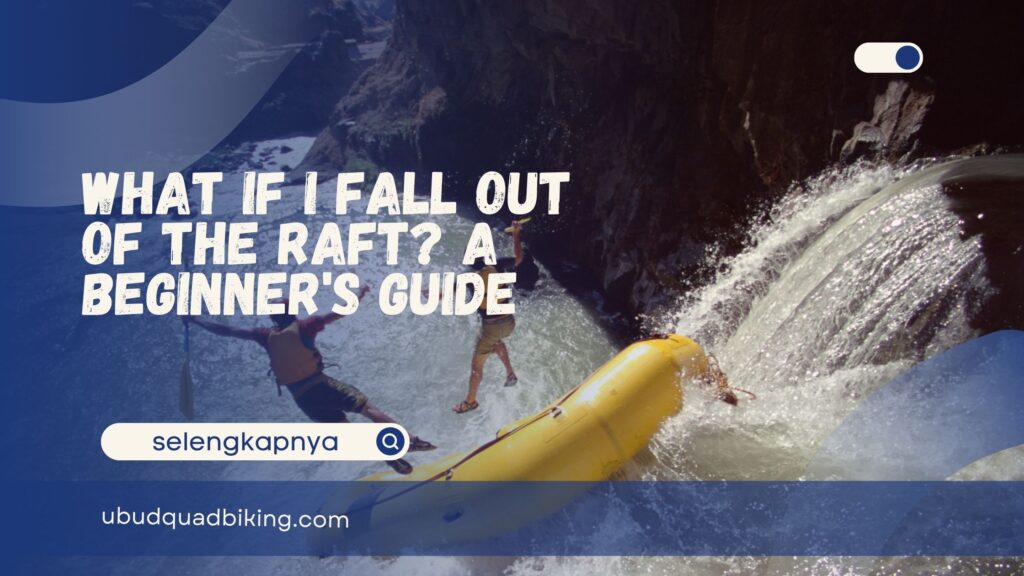
If you have never been rafting before, it is completely normal to wonder, what if I fall out of the raft? Seeing fast-moving water and rocky rapids for the first time can make the idea seem a little intimidating. The good news is that you do not need to be an expert swimmer to enjoy a guided rafting trip, but you should know how to react if you unexpectedly end up in the water.
The most important thing is not to panic. Your guide will explain what to do before you start, and your life jacket is there to help you stay afloat. Once you know the basic response and a few simple ways to stay in the raft, the experience can feel much more manageable.
What If I Fall Out of The Raft? What Should I Do?
What if I fall out of the raft? Falling into moving water can be surprising, so your first instinct might be to swim as quickly as possible toward the raft. That is not always the best approach. Your priority should be staying in a safe position, keeping your head above water, and following the instructions given by your guide.
- Stay calm and keep your life jacket on: Your life jacket is one of the most important pieces of safety equipment during rafting. Keep it securely fastened and let it help you stay afloat. Trying to fight the current with all your strength can leave you tired very quickly, so focus on controlling your position instead.
- Turn onto your back and keep your feet downstream: In fast-moving or shallow water, the standard defensive swimming position is to lie on your back with your feet pointing downstream and close to the surface. This gives you a better view of what is ahead and allows your feet to help protect you from rocks or other obstacles.
- Do not stand up in the rapids: This is particularly important for first-time rafters. Even water that does not look very deep can have enough force to knock you off balance. If a foot becomes trapped between rocks, the current can push your body underwater. Wait until you reach slower or very shallow water before trying to stand.
- Look downstream and watch for obstacles: Once you are floating on your back, pay attention to what is coming toward you. Rocks, branches, and other obstructions can become hazards in moving water. Keep your feet up so you can use them to push away from obstacles when necessary rather than trying to stop yourself with your hands.
- Listen to your guide rather than making a sudden move: Your guide can see the river conditions and the position of the raft better than you can from the water. If they tell you what to do, follow their instructions. The appropriate response can depend on the current, nearby obstacles, and whether the raft is upright or has overturned.
- Do not risk yourself to retrieve equipment: If a paddle or another item floats away, leave it unless your guide specifically tells you otherwise. Equipment can be replaced or recovered; putting yourself back into a dangerous position to chase it is not worth the risk. River safety guidance also emphasizes prioritizing people over boats and gear.
If the raft itself overturns, the situation can be different from simply falling into the water. This is exactly why the pre-trip safety briefing matters. Pay attention to the instructions for your particular rafting route instead of relying only on general advice you have seen online.
Also Read: Why is Rafting ATV Bali so Popular?
How Can Beginners Prevent Falling Out of the Raft?
You cannot control every wave or movement of the river, but there are several things you can do to stay more secure in the raft. For a first rafting trip, these habits are simple but make a real difference.
1. Choose a Route That Fits Your Experience
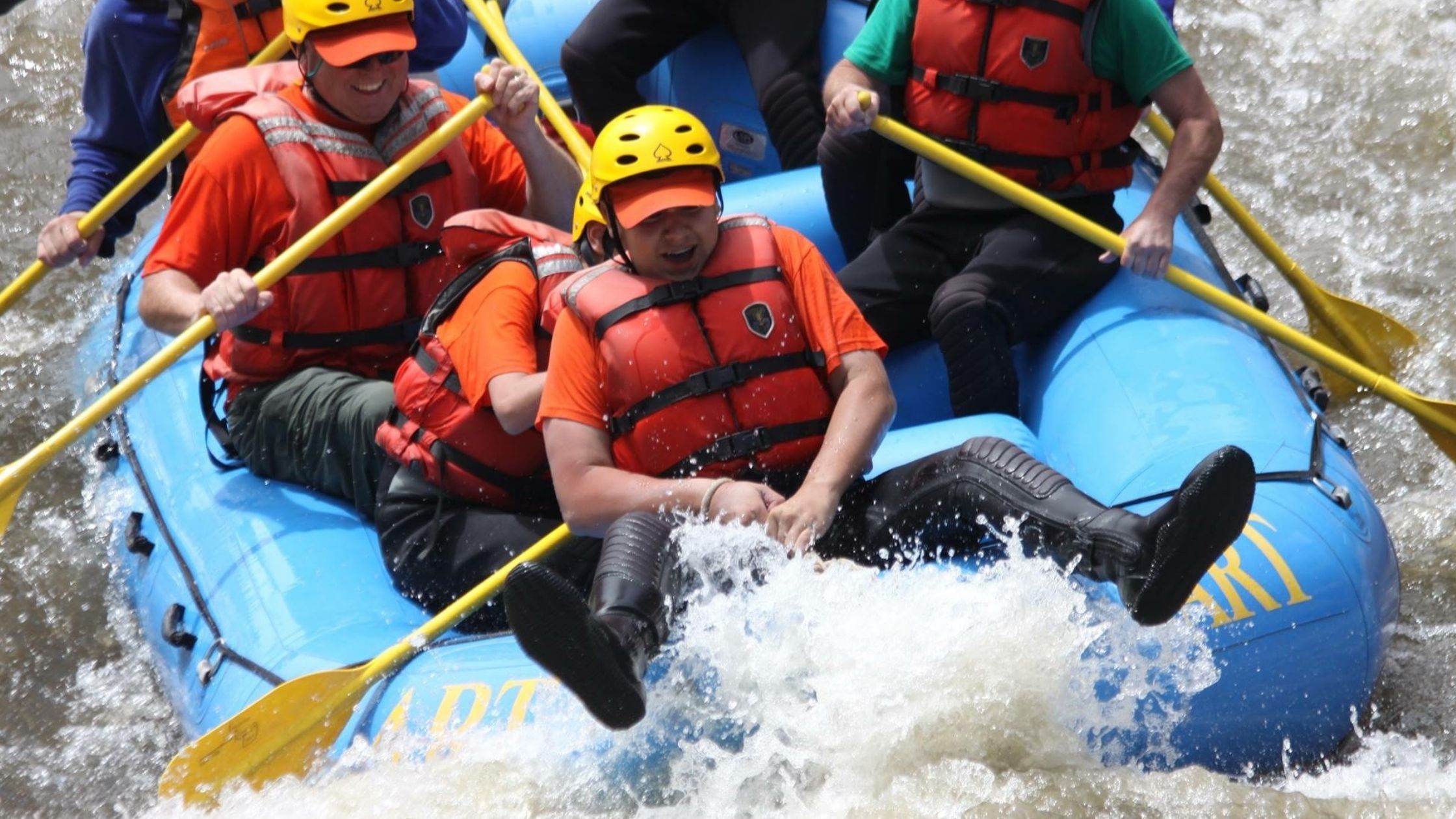
Not every river offers the same type of rafting experience. Rapids can vary in speed, turbulence, and technical difficulty, while water levels can change with weather and rainfall. If this is your first time, tell the operator that you are a beginner and ask which experience is appropriate for you.
For travelers considering rafting in Bali, this distinction matters. The Indonesian Ministry of Foreign Affairs’ Bali travel guide describes the Ayung River as a beginner-friendly option, while Telaga Waja is known for faster-moving rapids and a more challenging experience.
2. Take the Safety Briefing Seriously
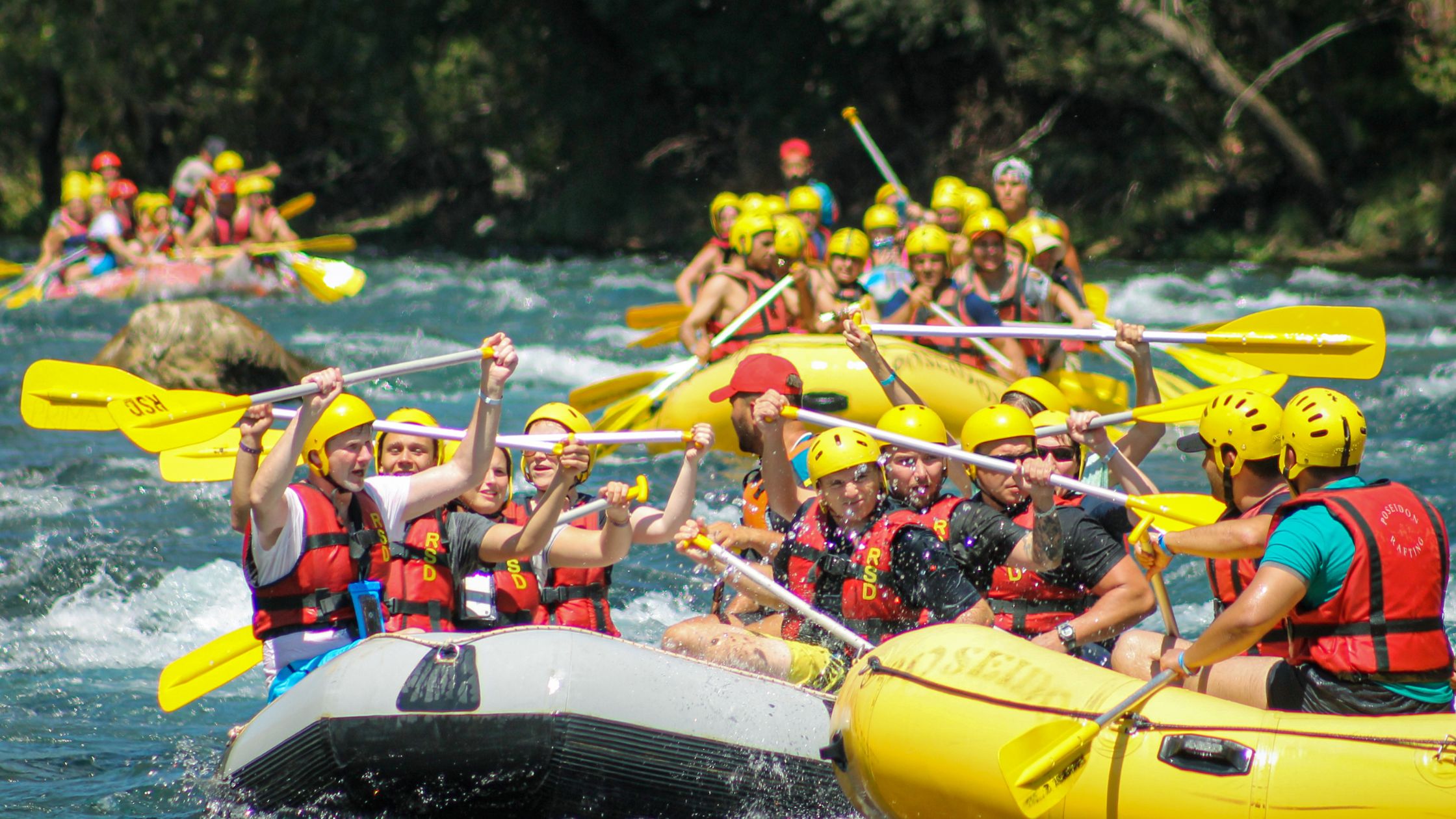
It can be tempting to switch off once you hear the words “safety briefing,” especially when everyone is excited to get into the water. Do not. This is when you learn how to sit in the raft, use your paddle, respond to commands, and react if someone falls into the river.
Even if you have watched rafting videos or tried another adventure activity before, listen to the guide for your specific trip. Their instructions are based on the route you are actually about to take.
Also Read: Safety Guideline for Rafting
3. Wear Your Safety Gear Correctly
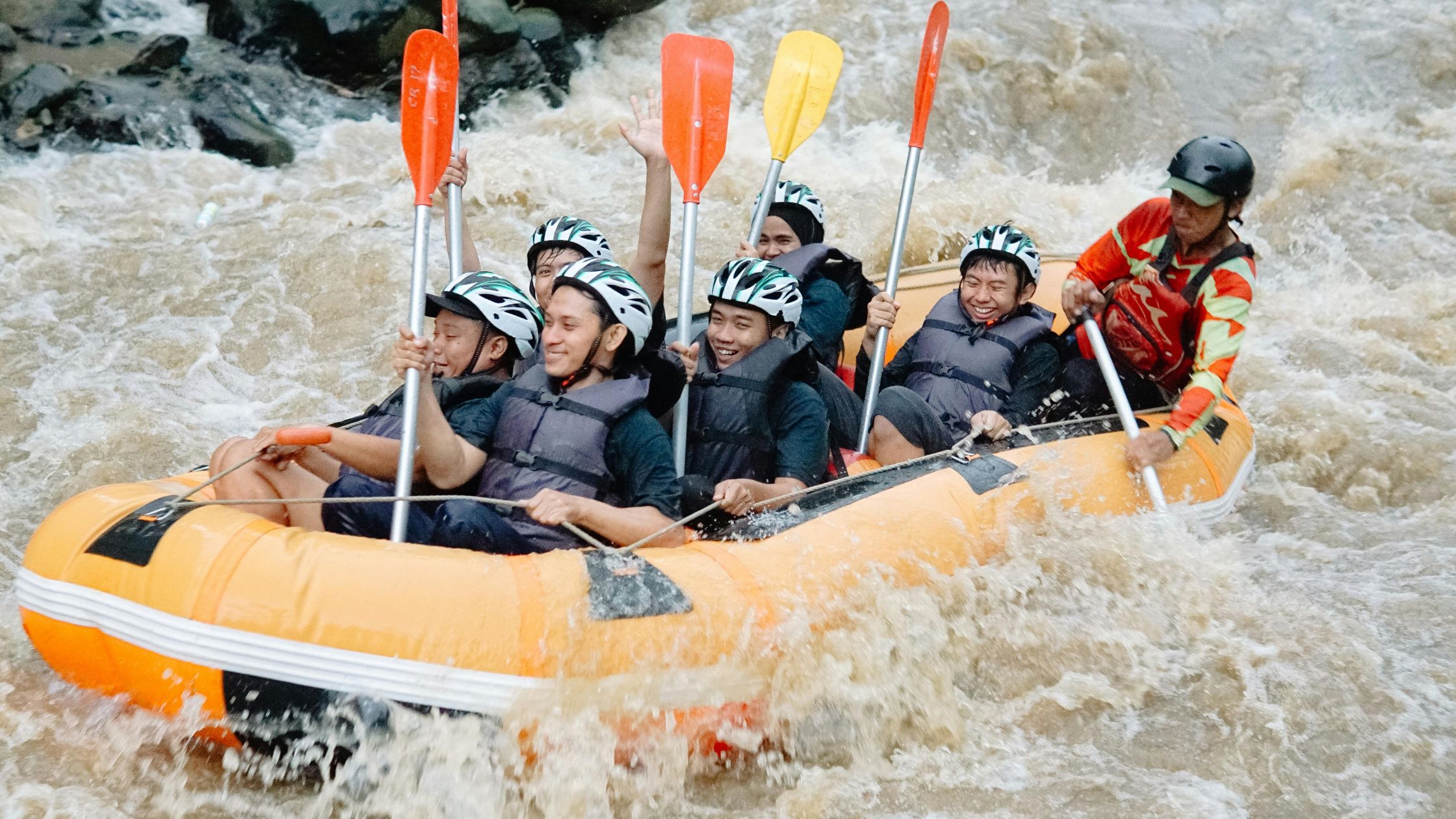
A life jacket should fit securely and stay on throughout the rafting activity. Depending on the route and operator, you may also be provided with a helmet and other protective equipment. Do not loosen or remove your safety gear just because a calmer section of the river feels comfortable.
Your clothing matters too. Choose something comfortable that allows you to move easily and does not become a distraction once it gets wet. Secure anything you are carrying and follow the operator’s instructions about phones, cameras, and other personal belongings.
Also Read: What to Wear from Head to Toe
4. Stay Seated and Follow the Paddling Commands
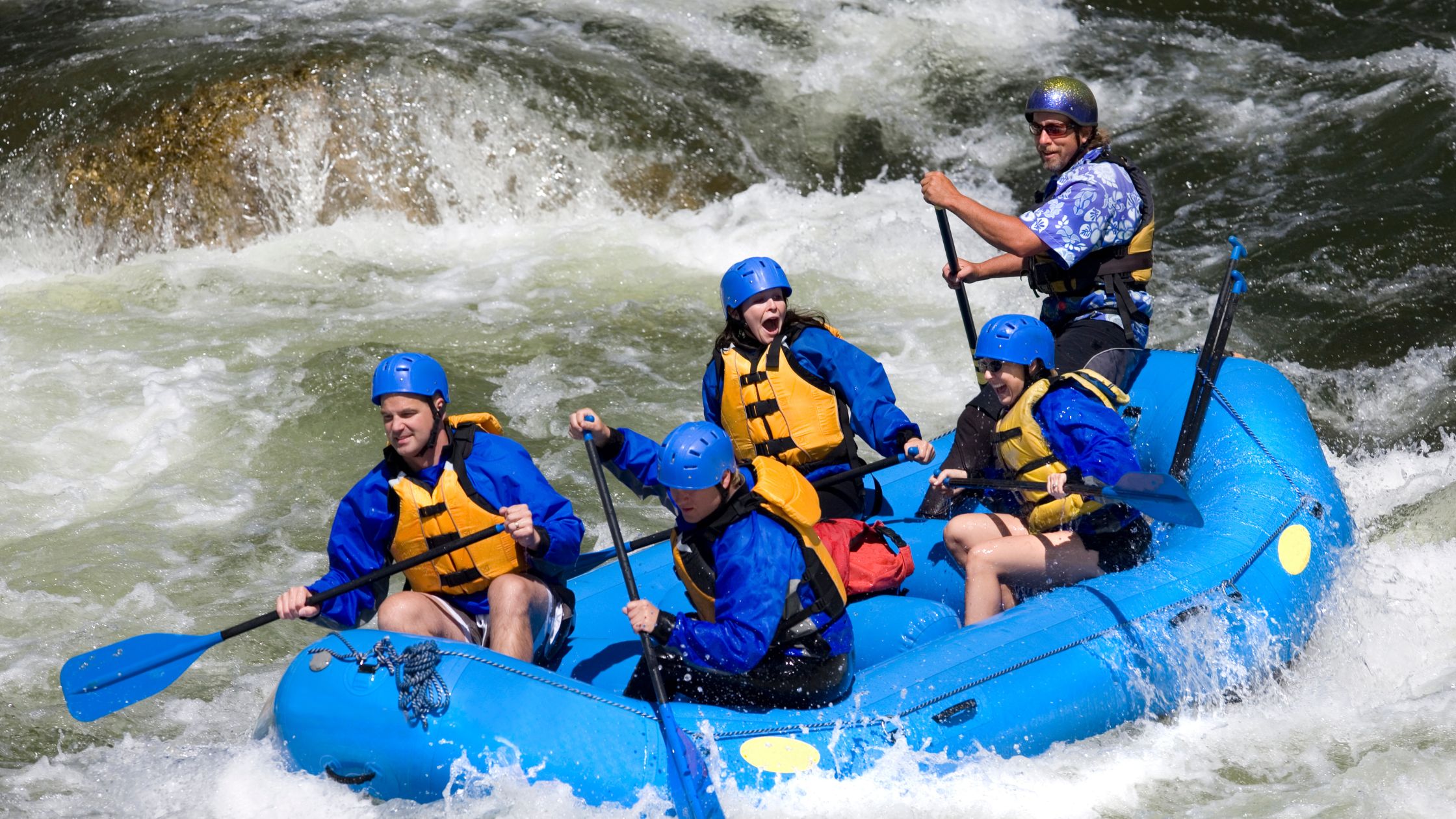
Most of the time, staying in the raft comes down to doing what your guide asks. Keep your position, maintain your balance, and paddle when instructed. Avoid standing up, switching seats without permission, or leaning too far outside the raft.
It is also not the time for practical jokes. Pushing another passenger, suddenly moving across the raft, or ignoring a command can affect the balance of the boat when everyone needs to work together.
What Should First-Time Rafters Know Before Going?
You do not have to be a strong swimmer to start learning about rafting, but you should understand that swimming ability alone is not enough to deal with moving water. A river can have currents, uneven surfaces, submerged rocks, and changing conditions that make it very different from swimming in a pool. Even a confident swimmer should respect the river and follow the safety procedures provided for the trip.
It is also worth knowing that rafting is an active experience. You will paddle, move with the raft, get splashed, and spend time outdoors. Before leaving for your activity, wear comfortable clothes that can get wet and suitable footwear. Bring a change of clothes for afterward, and check with your operator about what personal items can safely be taken onto the river.
Weather and water conditions are another reason not to rely entirely on what you see in photographs. Rain can affect river levels and currents, and conditions may be different from your expectations on the day of your trip. A responsible operator may adjust, delay, or stop an activity when conditions are unsuitable. For example, rafting operators in Bali commonly include weather-related conditions in their safety and operating guidelines.
Finally, tell your guide that you are a first-time rafter. Ask if you do not understand a paddle command or safety instruction. You are not expected to know everything before getting into the raft. The point of joining a guided trip is to have someone who can explain the activity, manage the route, and help you understand how to respond to changing conditions.
Also Read: What Mistakes You Should Avoid?
Combine ATV Riding and Rafting in Bali
If you want more than one adventure during your Bali holiday, combining ATV riding with a rafting or tubing experience lets you enjoy two very different sides of an outdoor trip. You can spend part of the day riding through an off-road route and then take on a river-based adventure. Ubud Quad Biking offers several combination options, including:
- ATV + Ayung River rafting: combine an ATV adventure with rafting on the Ayung River, a popular option for travelers who want both off-road and river activities.
- ATV + tubing adventure: pair ATV riding with tubing for a different kind of water-based experience.
- ATV + Telaga Waja rafting: combine an ATV ride with rafting at Telaga Waja if you want to include another well-known Bali river in your adventure plans.
Every activity comes with an expert instructor and follows strict safety protocols and guidelines, so you receive instructions before taking part in the adventure.
Booking is also kept simple. You can book securely using an encrypted card payment or PayPal, making it convenient whether you are already in Bali or still planning your trip from overseas. And if your plans change, you can cancel up to 24 hours in advance for a full refund.
So, if you have been asking yourself, “What if I fall out of the raft?”, the best answer is to prepare rather than worry. Learn the basic safety position, listen to your guide, use the equipment properly, and choose an activity that matches your experience. Once those basics are covered, you can focus on enjoying the river, and the rest of your Bali adventure.