
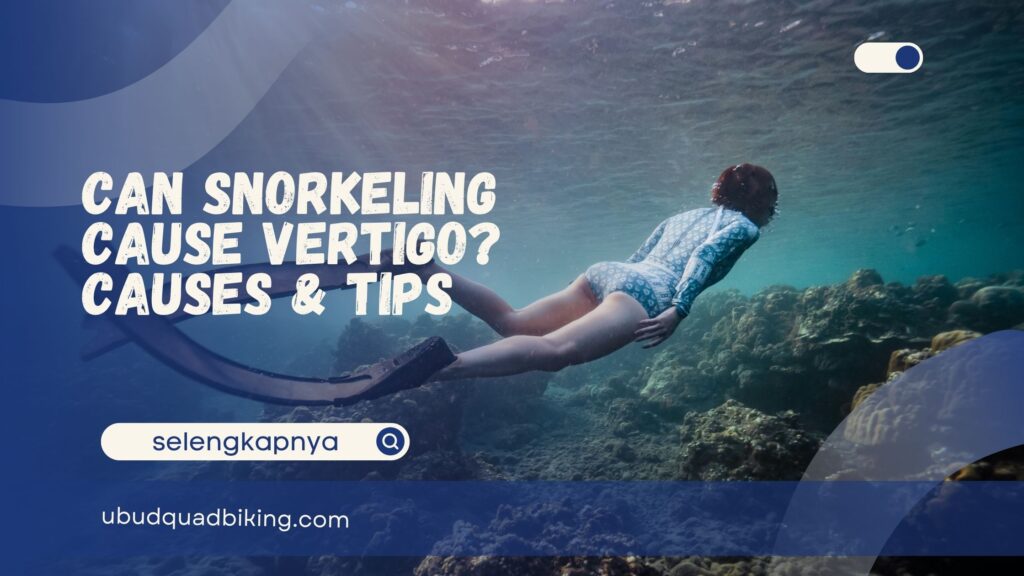
You are floating quietly in the sea, looking at colorful fish below you, when suddenly something feels off. The water seems to move differently, your balance feels strange, and you start wondering whether this is just part of snorkeling or something you should be concerned about. Can snorkeling cause vertigo is a common question for anyone who has experienced that uncomfortable feeling in the water, especially on their first snorkeling trip.
Also Read: What Can You See while Snorkeling in Bali, Indonesia?
Can Snorkeling Cause Vertigo?
Yes, snorkeling can sometimes trigger dizziness or a spinning sensation, but that does not mean snorkeling itself causes a medical condition called vertigo. The experience can depend on several factors, including how your ears respond to pressure, how your eyes process movement, and how your body reacts to waves or currents.
1. Pressure Changes Around the Ears
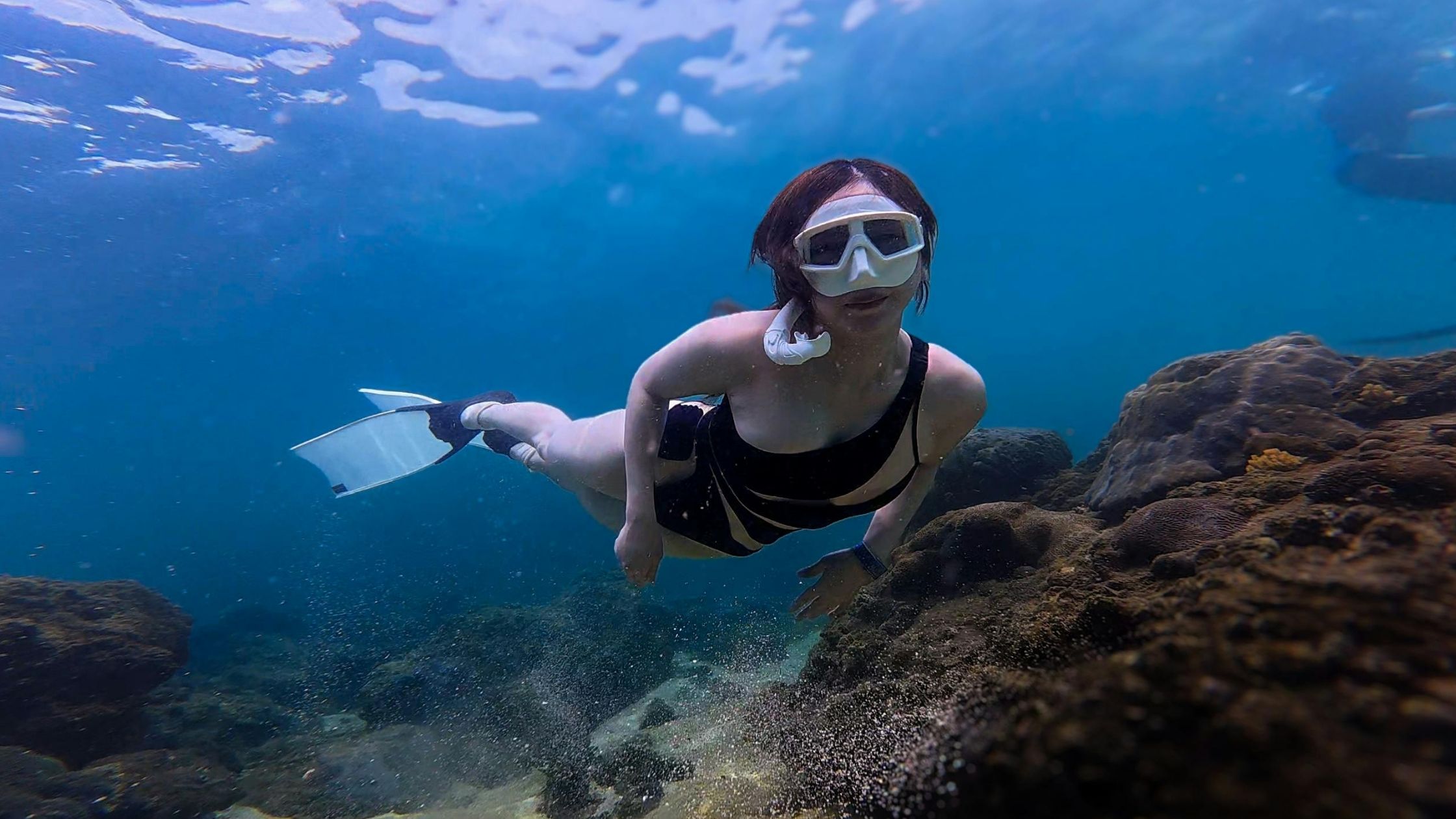
When you move your head deeper into the water, the pressure around your ears changes. For some people, difficulty adjusting to this change can cause ear discomfort, dizziness, or a temporary feeling of being off balance.
This is more relevant when you descend deeper rather than simply floating at the surface. If your ears already feel blocked or uncomfortable, going deeper may make the sensation more noticeable. It is therefore important not to force yourself to descend if your ears do not feel right.
2. Visual and Balance Confusion
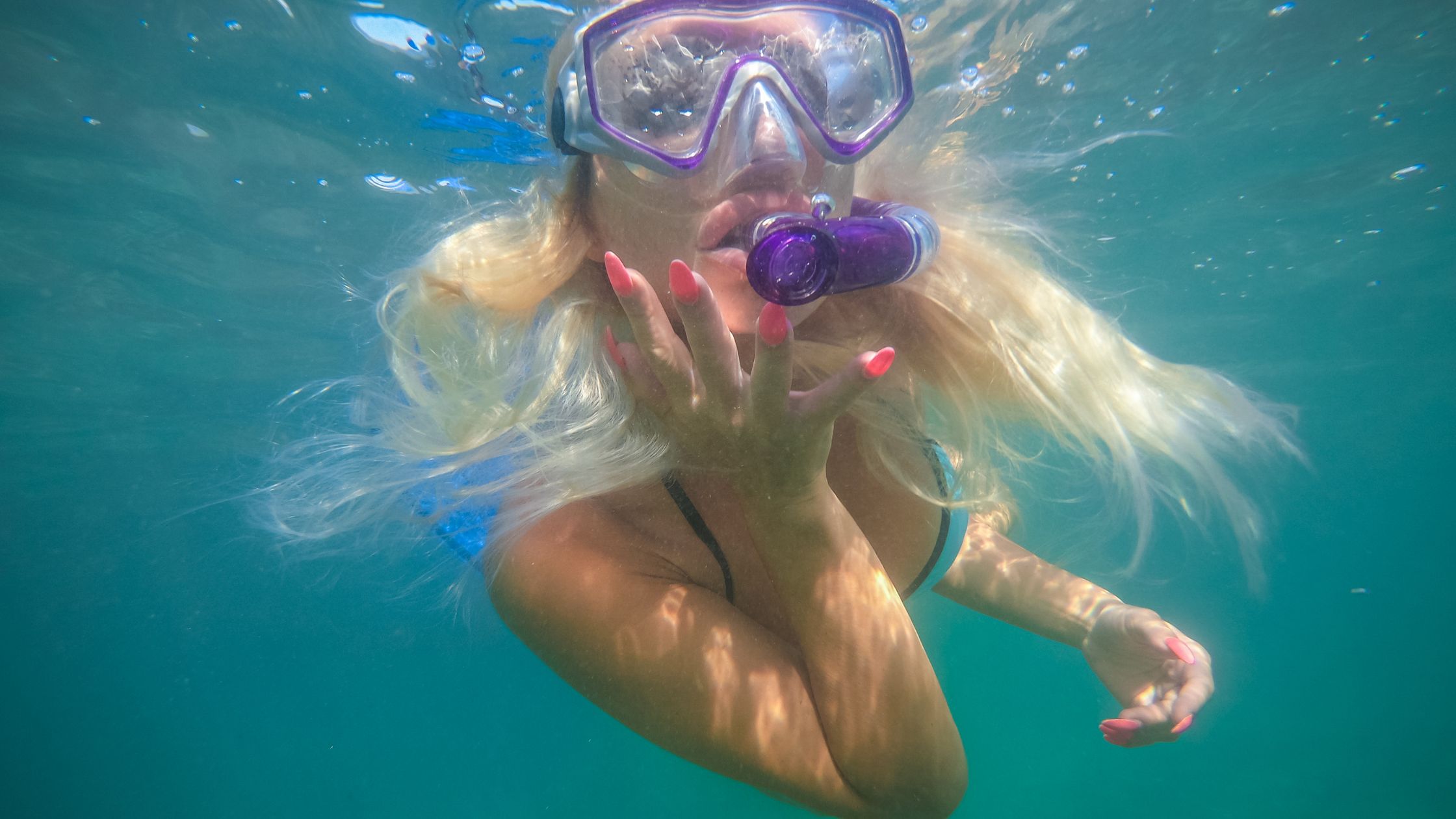
Your eyes and inner ears work together to help your brain understand where your body is and how it is moving. Snorkeling can make this relationship feel unusual because your eyes may see fish, the seabed, or the surface moving around you while your body is being gently moved by the water.
This difference in information can sometimes lead to dizziness or disorientation. You may feel as though you are moving more than you actually are, particularly when you keep looking down at the underwater scenery while waves are shifting your body.
3. Waves, Current, and Motion
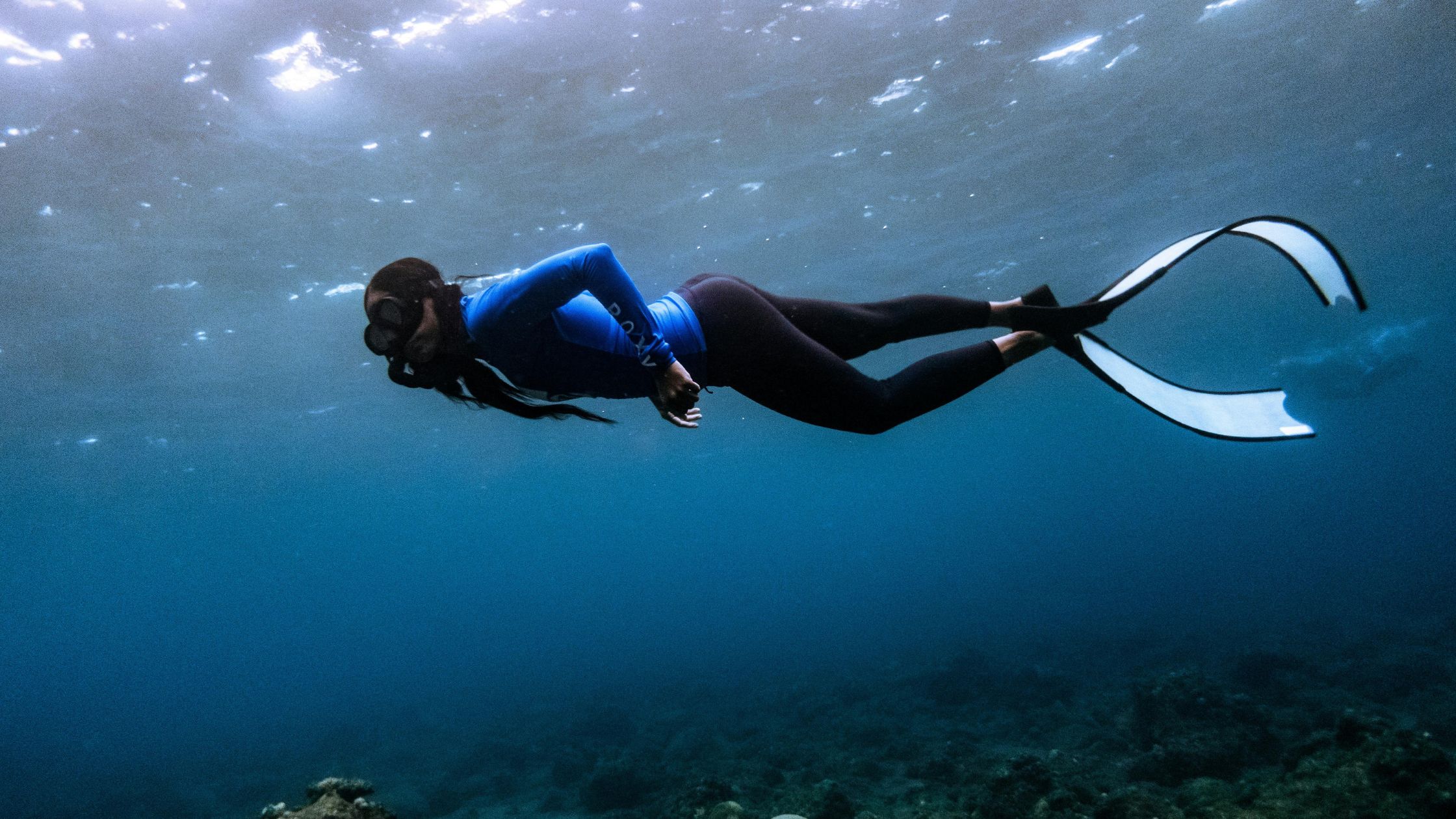
The ocean rarely stays completely still. Even gentle waves can make your body move up and down, while a current can shift you sideways without requiring much swimming. For someone who is not used to that constant motion, the sensation can become uncomfortable.
Repeated movement may also contribute to motion sickness, which can involve nausea, dizziness, or a sensation similar to vertigo. This is one reason the answer to can snorkeling cause vertigo is not quite as simple as saying that snorkeling itself causes it. The surrounding conditions and the way your body responds to movement can make a significant difference.
Also Read: Safety Outfit for Snorkeling
Why Do You Feel Dizzy While Snorkeling?
If you feel dizzy while snorkeling, there are several possible explanations. Some are related to the environment itself, while others can be connected to your ears or how your body reacts to movement.
| Possible Trigger | What You May Notice | Why It May Happen |
| Moving water | Nausea or unsteadiness | Waves and currents keep shifting your body |
| Visual movement | Disorientation or dizziness | Your eyes see movement while your body reacts differently |
| Ear pressure | Ear discomfort or dizziness | Pressure changes can affect the middle ear |
| Sudden head movement | Brief spinning sensation | Some inner-ear conditions are sensitive to head position |
| Motion sickness | Nausea, dizziness, or discomfort | Repeated movement can affect your sense of balance |
| Nervousness | Light-headedness or uncomfortable breathing | Anxiety can make physical sensations feel stronger |
The inner ear is particularly important because it plays a major role in balance. Conditions affecting the inner ear can cause dizziness, vertigo, or balance problems, so existing ear discomfort should not simply be ignored.
There is also a simple environmental factor that is easy to overlook: the ocean moves. Even when you are barely swimming, gentle waves can continuously shift your body. Looking down at the seabed while this happens may make the movement feel more noticeable.
For beginners, the unfamiliar breathing pattern can add another layer of discomfort. Wearing a mask, breathing through a snorkel, floating face-down, and getting used to the sea can take some adjustment. That does not necessarily mean anything is wrong.
Understanding these different possibilities makes it easier to see why can snorkeling cause vertigo does not have one universal answer. The same conditions that feel perfectly comfortable to one person may make another person feel dizzy.
Also Read: Where Can I Do Snorkeling in Bali?
How Can You Avoid Vertigo When Snorkeling for the First Time?
If you are wondering can snorkeling cause vertigo because you are planning your first snorkeling trip, there are a few practical things you can do to make the experience more comfortable. They are not a guarantee against dizziness, but they can help you adjust gradually.
- Start slowly. Spend a little time getting comfortable with your mask, snorkel, and floating position before swimming farther from the starting point.
- Get used to breathing through the snorkel. Keep your breathing slow and steady. Trying to swim quickly while you are still getting used to the equipment can make the experience unnecessarily stressful.
- Choose calmer water when possible. Strong waves and noticeable currents can make maintaining your position more difficult, particularly if you have never snorkeled before.
- Move your head gradually. Avoid repeatedly turning or lifting your head quickly while you are still adapting to the water.
- Do not stare at the seabed the entire time. Looking ahead occasionally can give your eyes a different visual reference instead of constantly watching the underwater scenery move beneath you.
- Tell the instructor if you feel uncomfortable. Whether you are nervous, prone to motion sickness, or have previously experienced dizziness in the water, letting the instructor know gives them useful information before the activity begins.
- Stop if you become dizzy. If you feel as though you or the surroundings are spinning, become very unsteady, or develop significant nausea, do not force yourself to continue. Move to a safe position and tell the person supervising the activity.
If dizziness is severe, keeps happening, or occurs together with symptoms such as hearing changes, ringing in the ears, or significant ear pain, it is worth getting medical advice rather than assuming the sensation is simply caused by snorkeling. Ear-related problems can sometimes involve dizziness or balance symptoms.
Also Read: How Old Do You Have to Be to Join Snorkeling in Bali?
Feel More Comfortable Snorkeling at Padangbai Beach
Knowing can snorkeling cause vertigo and understanding your own comfort level can make your first experience much less stressful. Having an experienced instructor is another practical advantage, particularly when you are still learning how to move, breathe, and respond to the sea.
For travelers looking for a Bali experience that combines Padangbai Beach snorkeling with an ATV ride, the package is available for under Rp1.5 million per person, with a choice between a single or tandem ATV. The snorkeling and ATV activities are supported by complete facilities and high-quality equipment.
The instructors have years of experience, so important safety procedures are explained and checked throughout the experience. You can also receive practical tips to help you feel more comfortable in the water and enjoy your snorkeling session. Strict safety protocols and guidelines are followed, with arrangements suitable for children and older participants according to the applicable activity requirements.
Booking is easy and secure, with encrypted card or PayPal payment available. You can also cancel up to 24 hours in advance for a full refund from Ubud Quad Biking.