ATV riding can be an exciting way to explore Bali, especially when the route takes you through muddy tracks, uneven ground, jungle paths, or other off-road terrain. But if you have been wondering how do ATV accidents happen, the answer is rarely just one mistake.
How Do ATV Accidents Happen?
ATV accidents commonly happen when the rider loses control, the vehicle becomes unstable, or the terrain behaves differently than expected. Off-road routes can change quickly, so a section that looks easy from a distance may require much more careful handling once you reach it.
1. ATV Rollovers and Tip-Overs
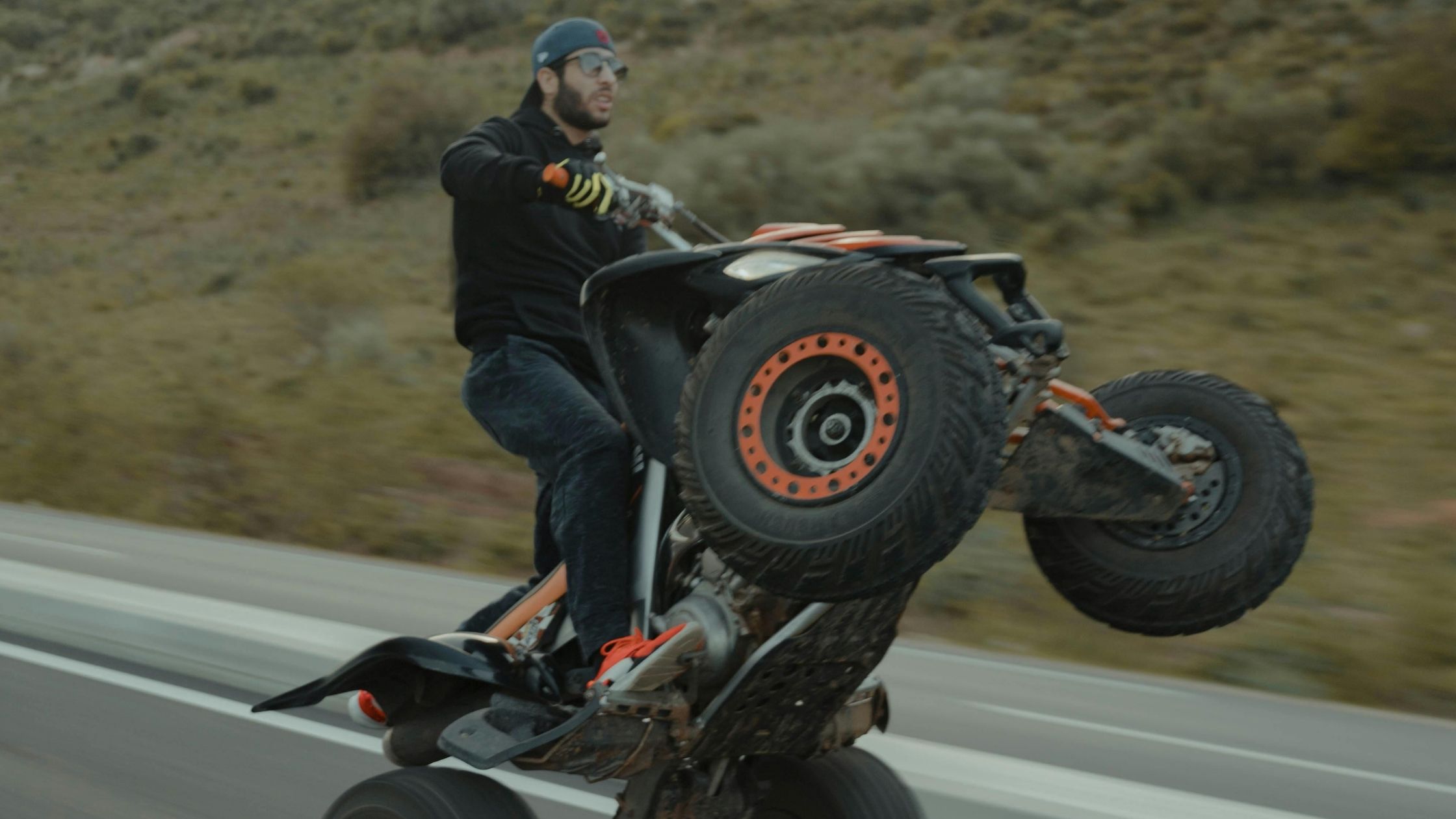
An ATV can tip or overturn when its balance is disrupted. This can happen during a sharp turn, on a slope, across uneven ground, or when the rider makes a sudden steering movement. Speed can make the situation more difficult because the rider has less time to react and the vehicle has greater momentum.
Side slopes also require extra attention because the ATV is no longer traveling on level ground. Ruts, rocks, and sudden changes in elevation can affect stability as well. Four wheels provide stability, but they do not make an ATV impossible to overturn.
2. Loss of Control
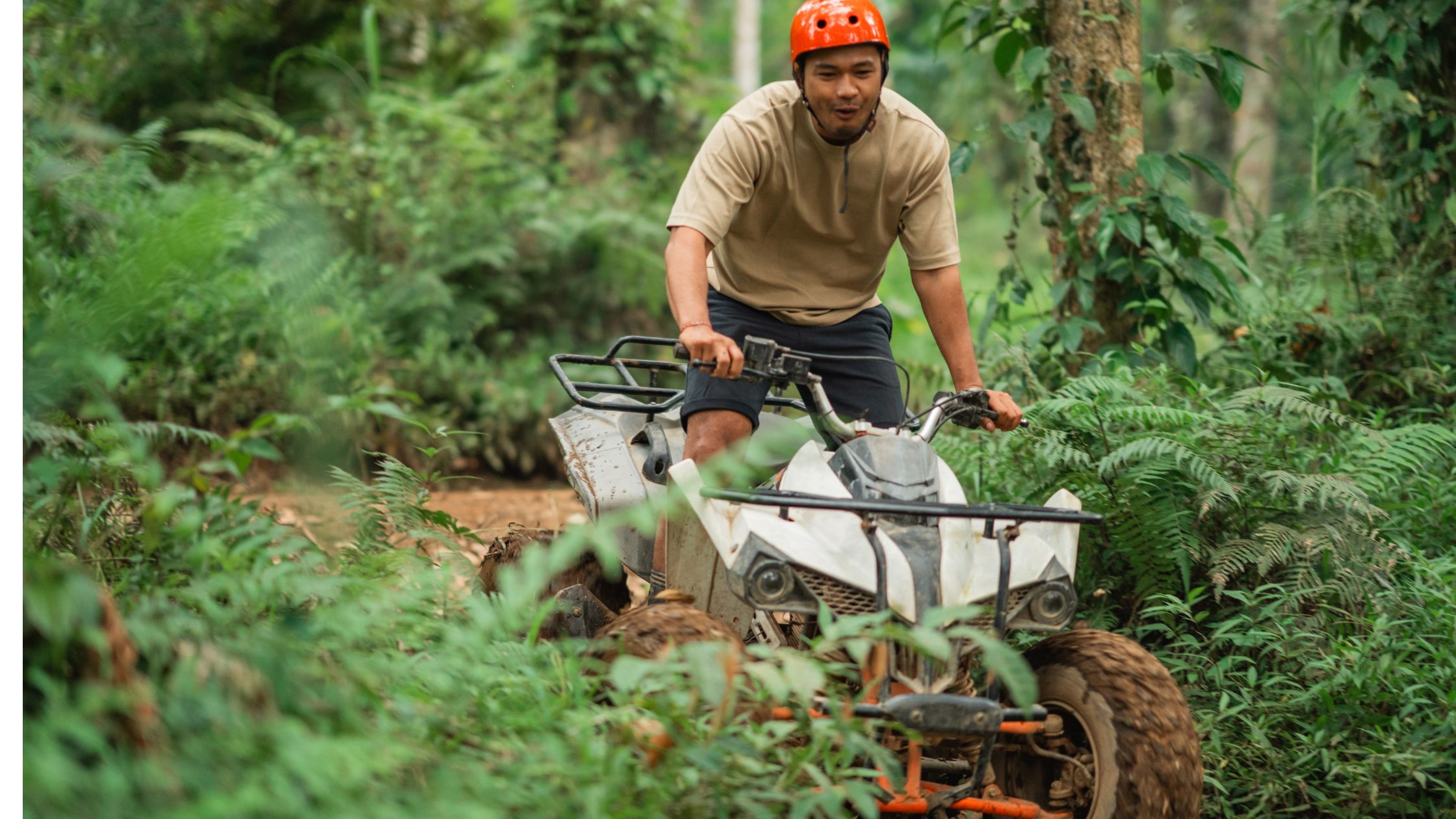
Sometimes the problem is not the terrain itself but how the rider responds to it. Entering a turn too quickly, braking suddenly, accelerating aggressively, or making an abrupt steering correction can make an ATV harder to control.
This can be especially challenging for first-time riders who are still learning how the vehicle responds. An ATV does not handle exactly like a motorcycle or a car, so riders need some time to become familiar with its controls and movement before tackling more challenging sections.
3. Difficult or Changing Terrain
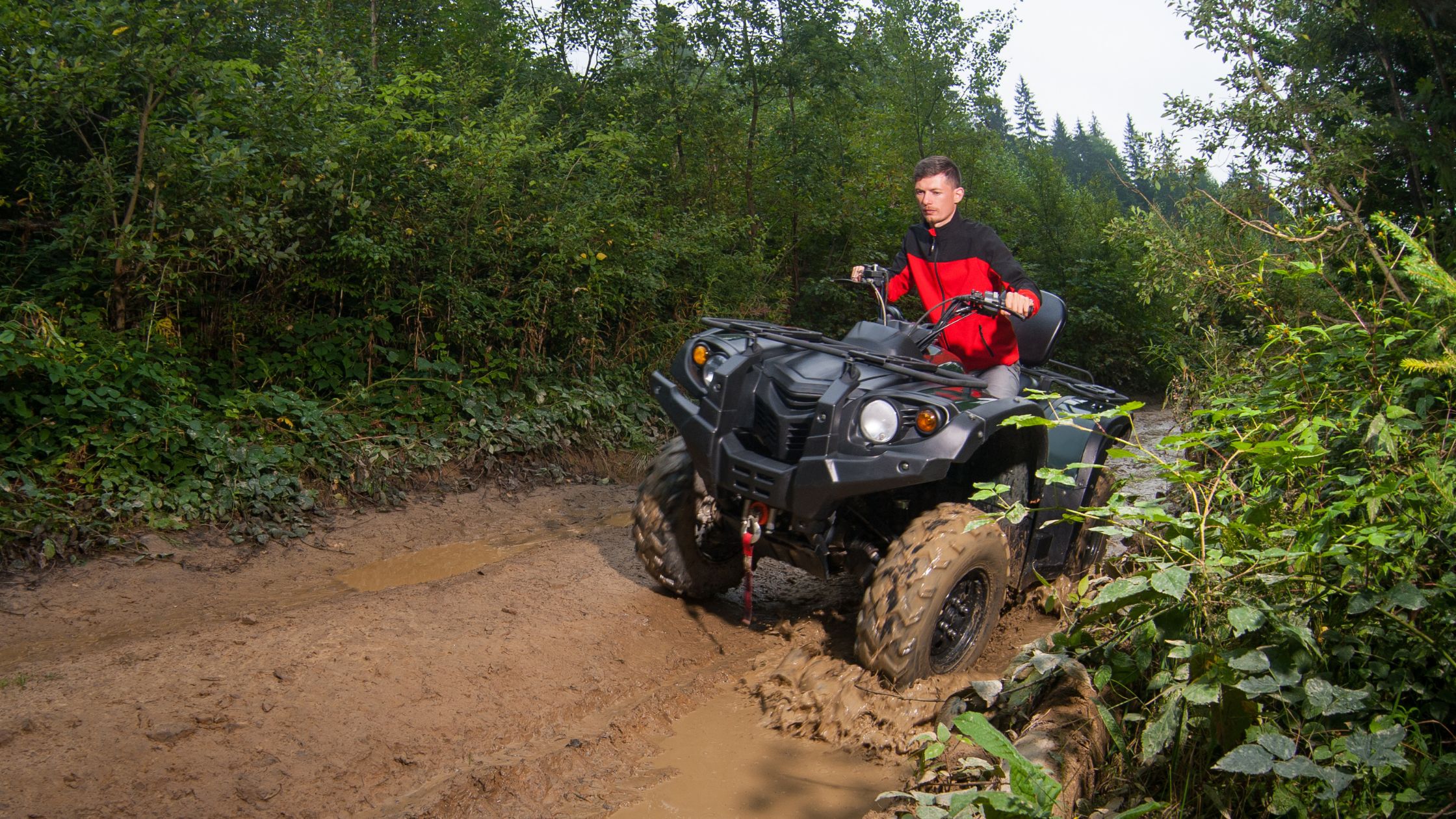
ATV routes can include mud, loose gravel, wet rocks, sand, roots, ruts, puddles, and other uneven surfaces. These conditions can change how much traction the tires have and how the vehicle responds to steering or acceleration.
A muddy section, for example, may require slower and more controlled riding than firm dirt. Wet rocks can also become slippery, while deep ruts may affect the ATV’s balance and direction.
Also Read: The Best Routes for ATV Riding in Ubud!
4. Obstacles and Collisions
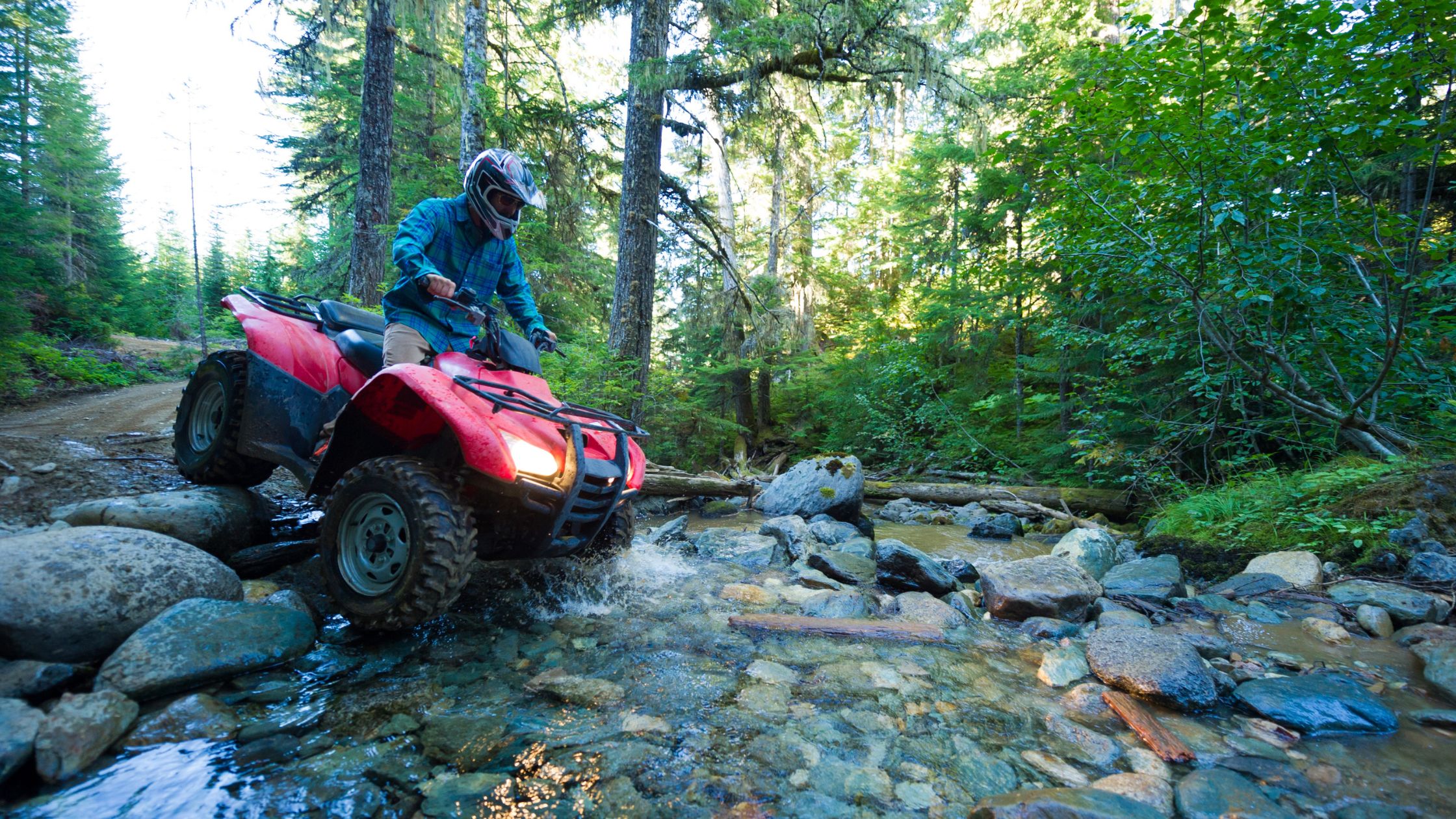
Natural obstacles are another potential cause of accidents. Rocks, tree roots, branches, holes, and other objects can become difficult to avoid if they appear around a bend or in an area with limited visibility.
Collisions can also happen between riders when they travel too closely together. If the ATV ahead suddenly slows down or encounters an obstacle, the rider behind needs enough space to react.
So, how do ATV accidents happen in real riding situations? Often, several factors come together. A difficult surface, excessive speed, a late reaction, or an unexpected obstacle can turn an ordinary section of trail into a hazardous situation.
Also Read: Age Limit for Riding ATV in Bali
What Increases the Risk of an ATV Accident?
Not every challenging trail section leads to an accident. The level of risk can change depending on the rider, vehicle, weather, and conditions along the route.
- Limited experience: First-time riders are still learning how an ATV responds to acceleration, braking, steering, and uneven ground. Following a proper briefing and learning the basic controls before starting can make the experience easier to manage.
- Excessive speed: Riding faster than the terrain allows reduces the amount of time available to identify and respond to hazards. A suitable speed depends on the surface, visibility, traffic, and the rider’s ability.
- Sudden movements: Sharp steering, abrupt braking, or aggressive acceleration can affect the ATV’s balance, particularly on loose or uneven ground. Smooth and controlled movements give the rider more opportunity to respond.
- Ignoring safety instructions: A pre-ride briefing can explain the ATV’s controls, route rules, rider spacing, and potential hazards. These details are particularly useful for people who have never operated an ATV before.
- Incorrect passenger use: Not every ATV is designed to carry a passenger. A single-rider ATV should only be used by one person, while tandem riding should only be done on a vehicle designed for two riders. The passenger should also follow instructions and avoid sudden movements that could affect weight distribution.
- Distraction or fatigue: Off-road riding requires continuous attention to the trail. Looking at a phone, becoming distracted by the surroundings, or continuing to ride when tired can make it harder to notice hazards early enough.
- Alcohol or impairing substances: Anything that affects coordination, judgment, balance, or reaction time can make vehicle control more difficult. Riders should be fully alert before and during the activity.
- Vehicle condition: Tires, brakes, steering, throttle, and other important components should be in suitable working condition. Mechanical problems can create additional risks even when the rider is careful.
- Weather and trail conditions: Rain can change the character of a route considerably. Mud, rocks, roots, and other surfaces may become more slippery, meaning riders need to adjust their approach accordingly.
Understanding how do ATV accidents happen also means looking beyond rider behavior. The vehicle and the environment can influence what happens on the trail just as much as the person’s experience.
Also Read: Is it Safe to Wear Short Pants for ATV Riding?
How Can You Prevent ATV Accidents?
Knowing how do ATV accidents happen is useful, but knowing what to do before and during the ride is even more practical. You cannot remove every hazard from an off-road activity, but good preparation and sensible riding can reduce many avoidable risks.
| Before the Ride | While Riding | On Difficult Terrain |
| Wear a properly fitted helmet and suitable protective clothing for ATV riding. | Keep your speed appropriate for the terrain and visibility. | Slow down before reaching a difficult section rather than reacting at the last moment. |
| Check that the ATV appears to be in proper working condition. | Keep enough distance from other riders. | Use smooth, controlled steering and avoid sudden corrections. |
| Pay close attention to the safety briefing. | Look ahead and scan the trail for changes. | Take extra care on mud, loose gravel, wet rocks, and uneven ground. |
| Learn the basic controls before entering the trail. | Keep both hands available to control the ATV and avoid using your phone. | Reduce speed before turns, slopes, and areas with limited visibility. |
| Make sure the ATV is suitable for the number of people riding it. | Follow the designated route and guide instructions. | Do not attempt an obstacle or section beyond your ability without guidance. |
| Ask questions if you are unsure about the vehicle or route. | Avoid aggressive maneuvers simply for entertainment. | Follow instructions for challenging climbs, descents, and slippery sections. |
Protective equipment is another important consideration. A properly fitted helmet is essential, while suitable footwear, long trousers, gloves, and eye protection can provide additional protection depending on the riding environment.
It is also important to remember that how do ATV accidents happen is not only a concern for beginners. Experienced riders can still encounter an unexpected obstacle, sudden weather change, slippery surface, or unfamiliar section of trail. Staying attentive throughout the activity remains important regardless of experience.
Also Read: What Parents Should Check Before Booking ATV for Kids in Bali?
Choose a Safer Way to Experience ATV Riding in Bali!
If you want to experience Bali’s off-road scenery, Ubud Quad Biking offers several ATV experiences, including the Kuber ATV Ride, ATV Ride on the Beach, and ATV Ride – Real Jungle Bali. Each package is available with single and tandem options, depending on the ATV and your preferred riding arrangement.
For a longer adventure, you can combine ATV riding with Telaga Waja rafting, Ayung River rafting, or Wos River tubing. The experiences include professional instructors with years of experience, quality equipment, and strict safety protocols and guidelines to help riders understand the activity and follow proper procedures throughout the ride.
Booking is easy and secure with encrypted card or PayPal payment options. You can also cancel up to 24 hours in advance for a full refund. If you have been researching how do ATV accidents happen, choosing an ATV experience with proper guidance, suitable equipment, and clear safety procedures can help you approach the activity with better preparation.