
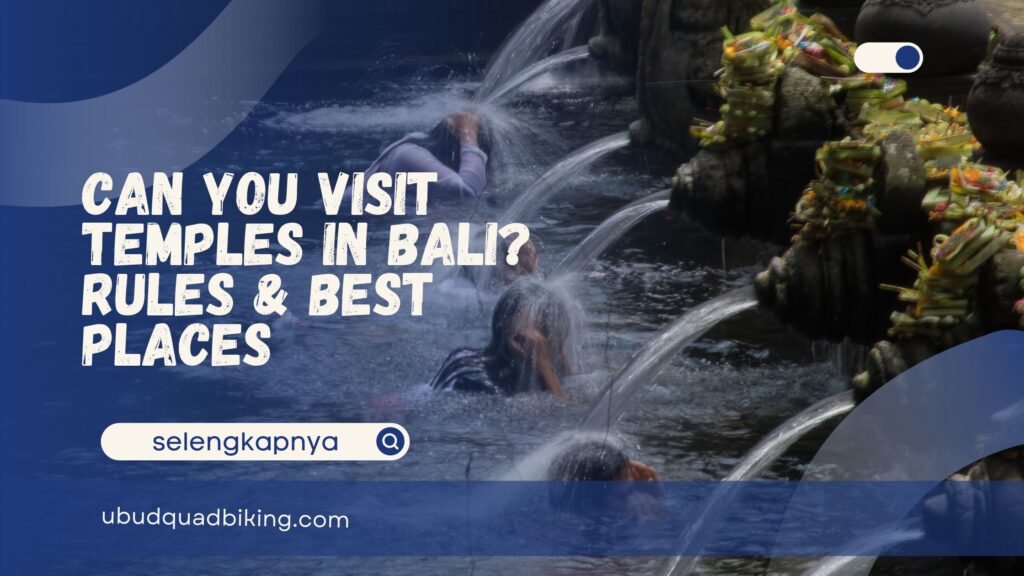
Bali’s temples are more than beautiful landmarks. They are active places of worship where local communities pray, make offerings, and hold ceremonies throughout the year. So, can you visit temples in Bali as a tourist? Here the answer!
Can Tourists Visit Temples in Bali?
Tourists can visit many temples in Bali, including coastal, lakeside, and mountain sites. So, can you visit temples in Bali if you are not Hindu? In many cases, yes, provided you follow the visitor route and respect restricted areas.
Access rules differ between sites. Some grounds are open for sightseeing, while inner courtyards and shrines are restricted. During ceremonies, staff or local custodians may close additional sections or ask visitors to keep their distance. If you are asking can you visit temples in Bali during a ceremony, do not assume the usual visitor route will remain available. Check locally and follow instructions at the entrance.
Also Read: How to Stay Safe from Scammers while Visiting Bali
What Are the Rules for Visiting Temples in Bali?
A respectful visit starts with suitable clothing and awareness of local customs. Follow signs at each site, as individual temples may have additional requirements.
1. Dress Modestly

Wear clothing that covers your shoulders and knees. A sarong wrapped around the waist and a sash tied over it are commonly expected at temple sites. Some popular attractions provide or rent these items at the entrance, but this is not guaranteed everywhere. Bringing a light sarong is a practical option. Avoid swimwear and clothing that leaves much of the body uncovered.
2. Stay Out of Restricted Areas
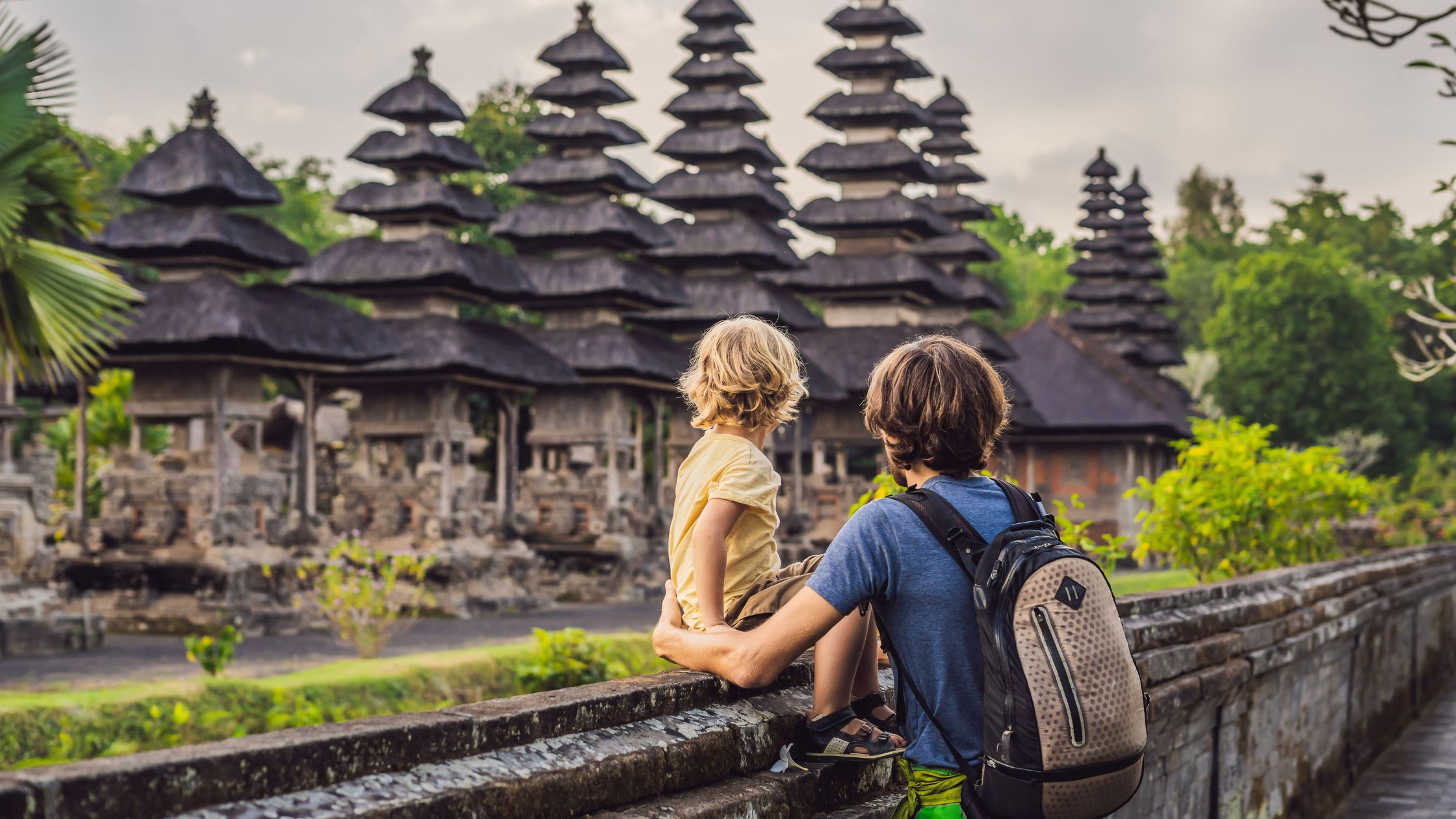
Follow barriers and signs, and do not enter courtyards or buildings marked for worshippers only. Bali’s visitor guidance restricts foreign tourists from entering the main and middle sacred areas of temples, except when they are there to pray in appropriate Balinese traditional clothing.
Guidance also asks menstruating women not to enter sacred temple areas. Since implementation can differ between sites, check with temple staff if you are unsure. Never climb on shrines, statues, walls, or sacred trees.
3. Behave Respectfully
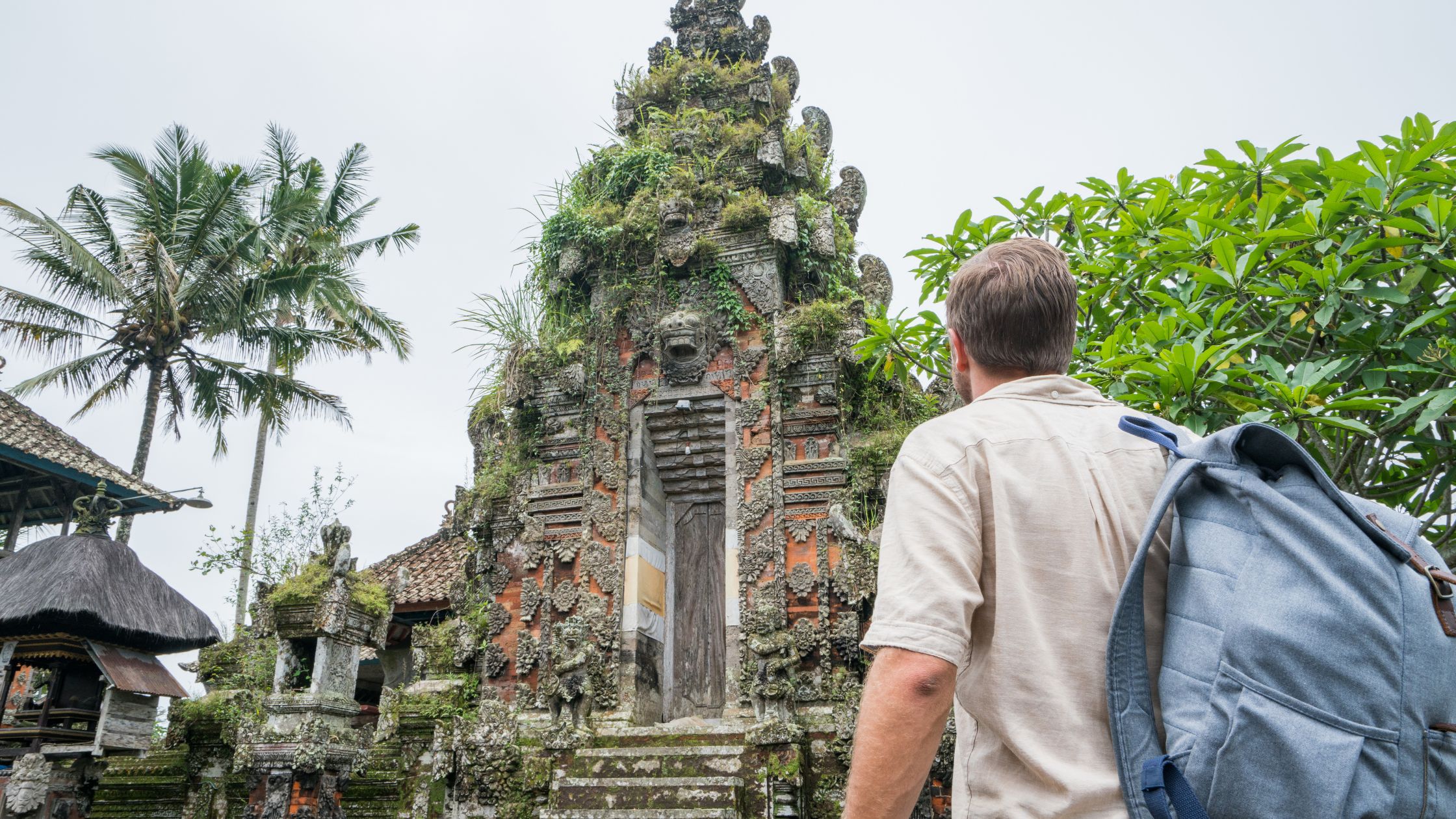
Keep your voice low and give people space when they are praying. Do not touch offerings or step on canang sari, the small daily offerings often placed on the ground. Walk around them instead. Ask permission before photographing worshippers, and avoid flash or photography wherever signs prohibit it. If a ceremony is taking place, watch from the permitted area rather than trying to get closer for a better view.
Baca juga: What to Expect if You Visiting Bali in November 2026
Which Temples in Bali Can You Visit?
If you are deciding can you visit temples in Bali and where to start, these five sites offer very different settings. Check current access arrangements before travelling, especially on religious holidays.
1. Tanah Lot Temple
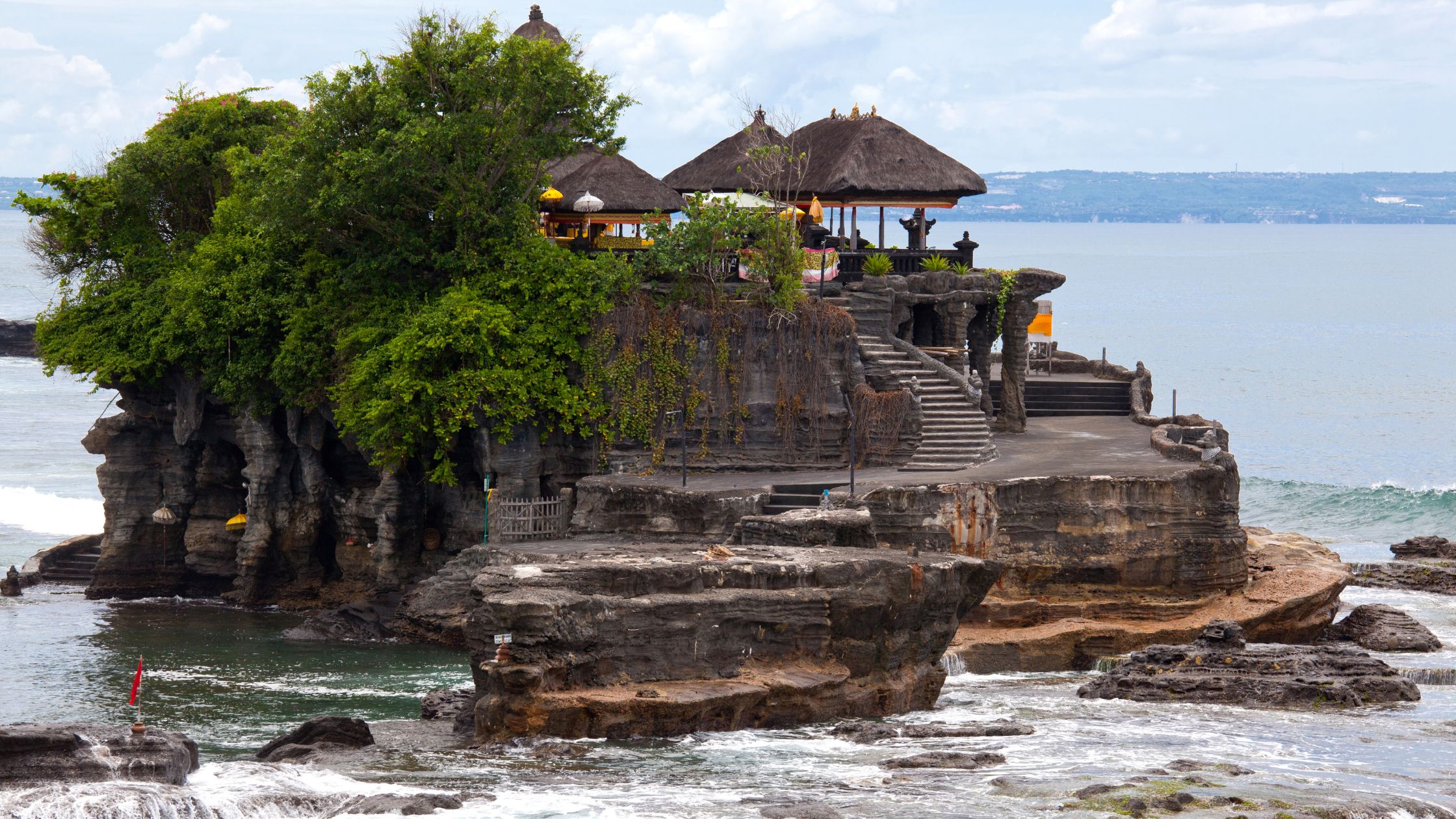
Tanah Lot sits on a rocky outcrop on Bali’s southwest coast in Tabanan. The sea temple is one of the island’s best-known coastal landmarks, particularly at sunset. The surrounding grounds have viewpoints and paths overlooking the coastline. At high tide, water can separate the rock from the mainland, so visitors may not be able to walk up to the base of the temple. The sacred structure itself is not an unrestricted sightseeing area.
2. Uluwatu Temple
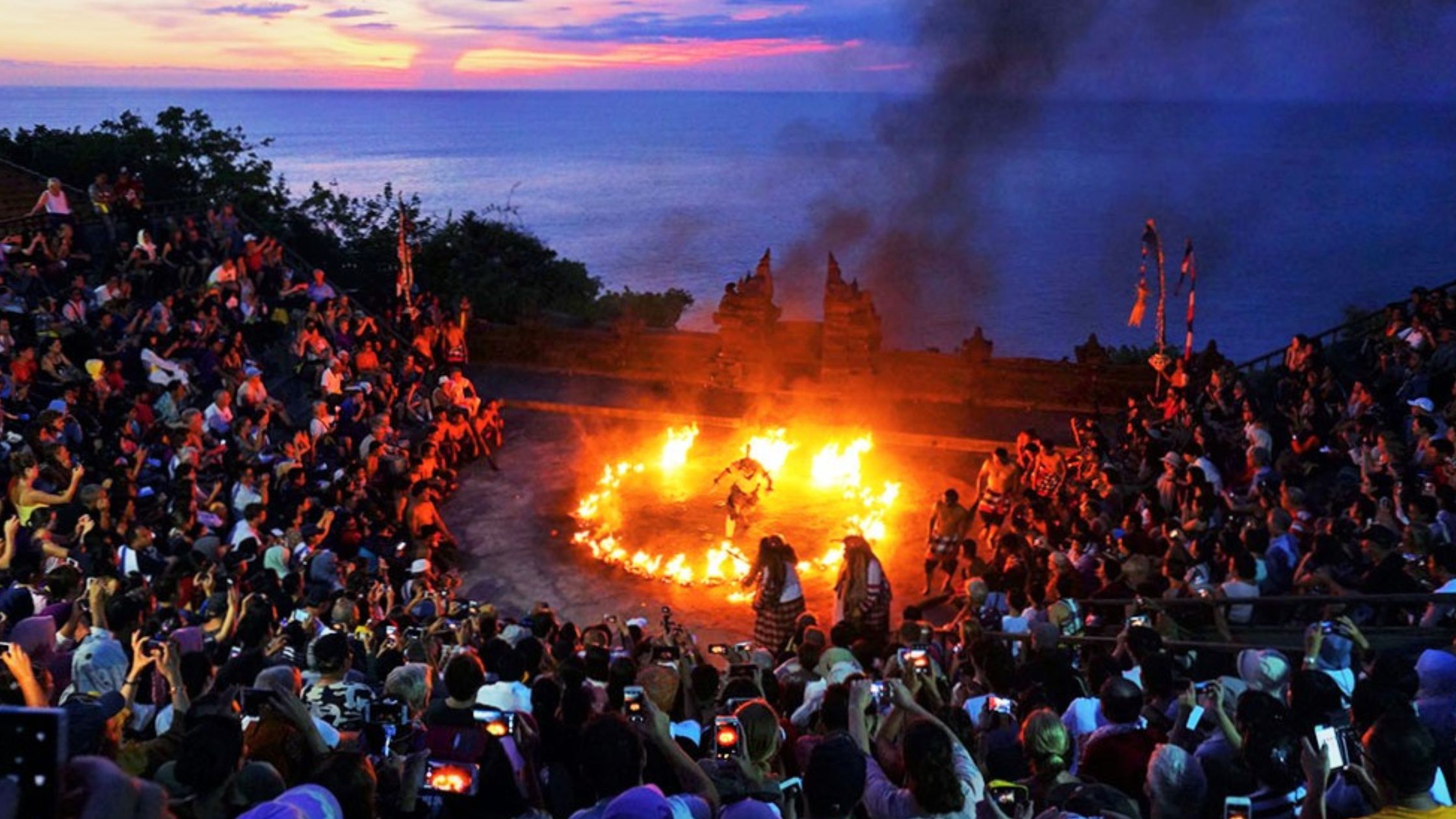
Located in Pecatu in South Bali, Uluwatu Temple stands on a limestone cliff above the Indian Ocean. The cliffside path offers wide ocean views, making late afternoon a popular time to visit. The area is also known for Kecak dance performances at a nearby open-air amphitheatre, usually scheduled around sunset. Monkeys live around the temple grounds, so keep sunglasses, food, and loose belongings secure.
3. Tirta Empul Temple
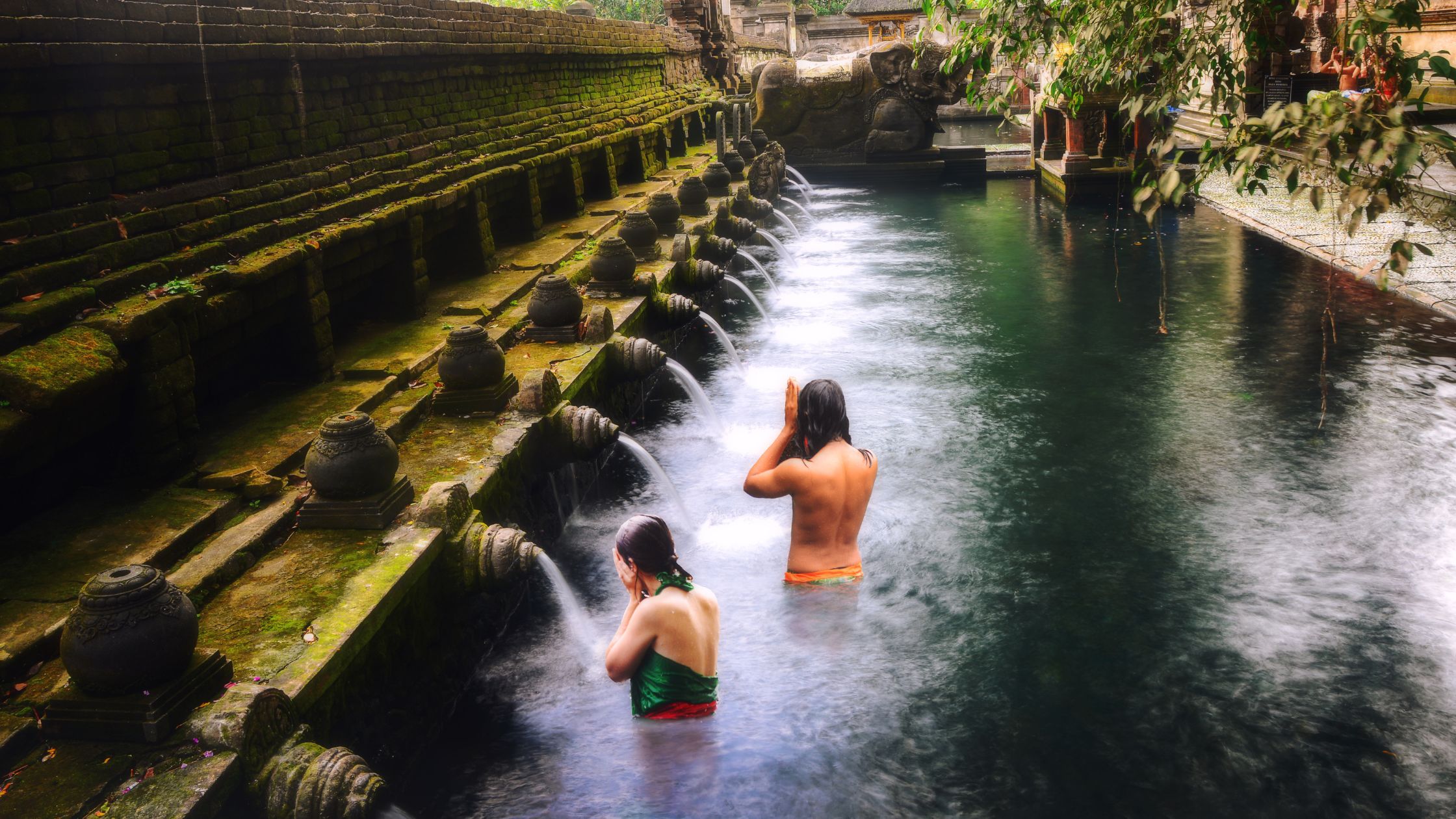
Tirta Empul is in Tampaksiring, Gianyar, and is known for its natural spring water and purification pools. Balinese Hindus visit for melukat, a ritual cleansing practice. Visitors can learn about the tradition and observe from areas open to the public. If you wish to take part, use the designated bathing area and follow the temple’s instructions. Do not enter a ritual pool or handle religious objects without permission.
4. Ulun Danu Beratan Temple
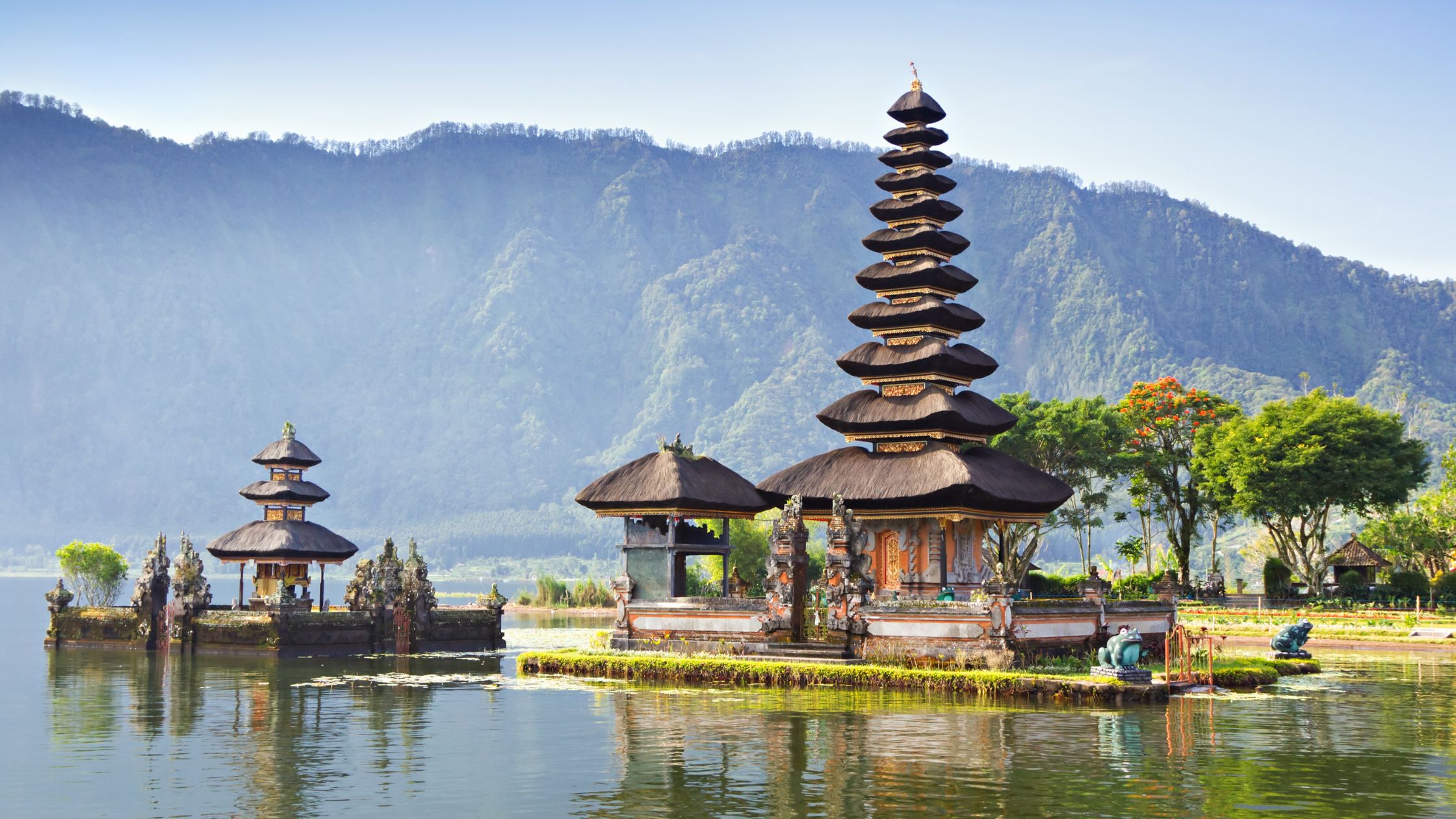
Set beside Lake Beratan in the Bedugul highlands, Ulun Danu Beratan is recognised for its lakeside shrines and mountain scenery. The complex is a popular photography stop, especially when mist settles over the water in the morning. Bedugul is generally cooler than Bali’s southern coastal areas, so a light jacket can be useful. Stay within visitor grounds and respect areas closed for worship.
5. Besakih Temple
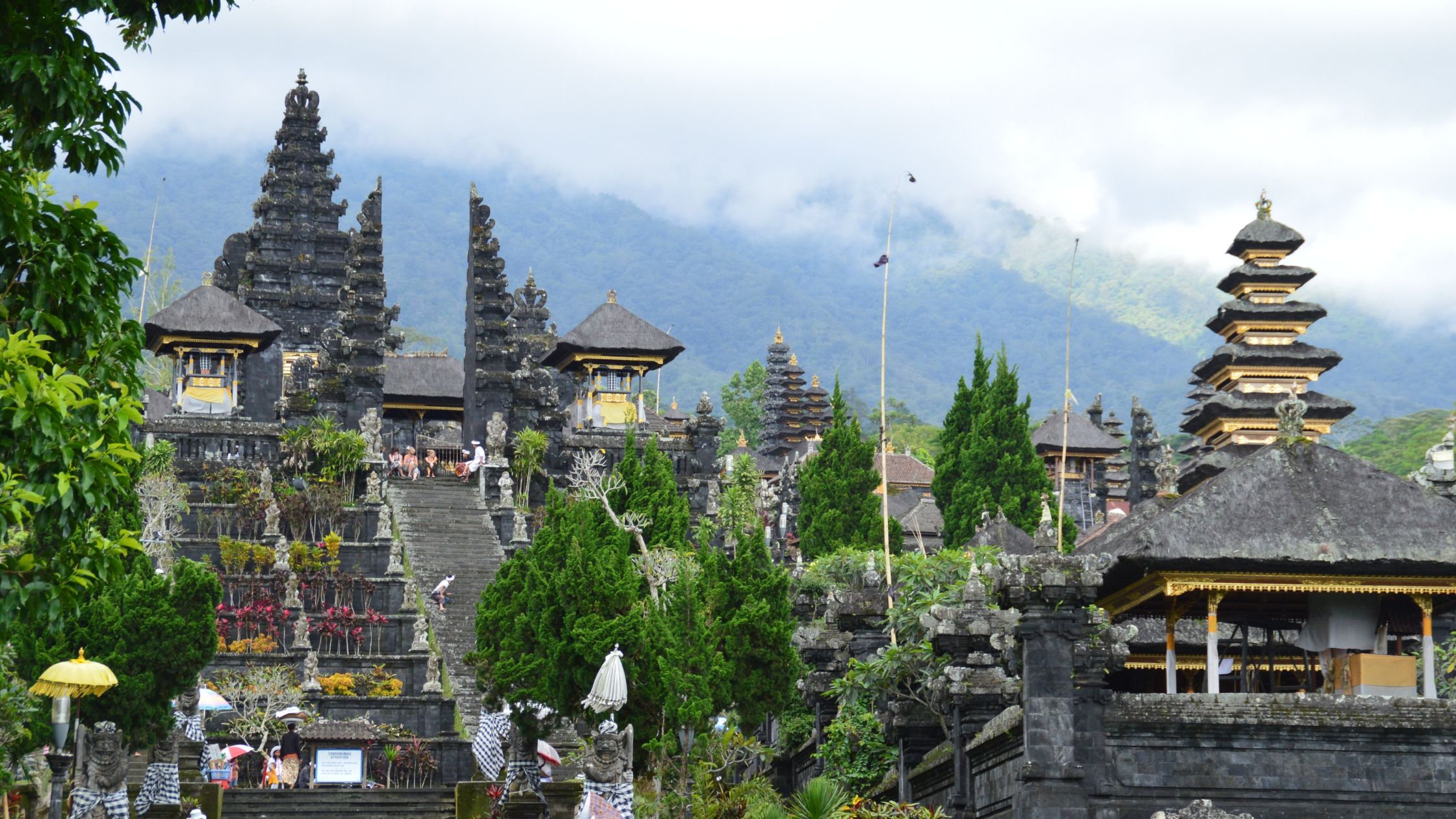
Besakih, on the slopes of Mount Agung in Karangasem, is Bali’s largest and most important temple complex. Often called the Mother Temple, it consists of numerous temples and is a major centre for Hindu ceremonies. Its hillside setting offers views across the surrounding landscape, but the complex is extensive and involves walking on slopes and steps. Use the designated route and follow local guidance rather than entering restricted courtyards.
Also Read: More Amazing Places to Visit in Bali
What Should You Know Before Visiting Temples in Bali?
A little planning makes it easier to visit without rushing or disrupting local activities.
- Check opening times and access: Hours, routes, and restrictions can change during ceremonies or public holidays. If you are wondering can you visit temples in Bali on a particular date, confirm access before leaving.
- Prepare for entrance fees: Popular temples usually charge admission, and rates may differ for local and international visitors. Check the current fee at the ticket counter.
- Plan around distances: The temples are spread across Bali. Tanah Lot, Uluwatu, and Besakih are in different parts of the island, so avoid fitting too many distant sites into one short day.
- Bring water and sun protection: Coastal and open temple grounds can be hot, while the Bedugul highlands are cooler.
- Wear comfortable shoes: Expect stone paths, stairs, and uneven surfaces at some locations.
- Allow time for ceremonies: If an area is closed, respect the restriction and enjoy the permitted grounds or nearby scenery.
Also Read: Things to Do in Bali for First Timer
Combine a Temple Visit with an ATV Adventure
A temple visit offers a closer look at Balinese culture, while an ATV ride adds a more active way to explore the island. Travelers wondering can you visit temples in Bali and still fit an outdoor adventure into the day can consider Ubud Quad Biking’s package combining ATV riding with visits to selected iconic temples. It brings cultural sightseeing and off-road fun together in one experience.
Ubud Quad Biking provides professional instructors with years of experience and top-tier equipment for its ATV activities. The team gives guidance before the ride and supports participants throughout the experience. Children, adults, and older travellers can enquire about suitable arrangements, as participation should take account of age, health, and the activity’s requirements.
Payment is straightforward for international visitors and does not have to be made in Indonesian rupiah. There is also a full-refund policy for cancellations made more than 24 hours before the activity. Contact Ubud Quad Biking to check the package details, temple itinerary, and available arrangements before booking.